Finding peace
A Story of war, faith and reconciliation

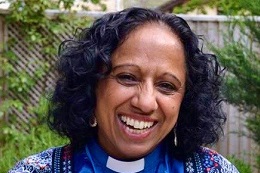
Revd Prebendary Narinder Tegally, inter faith adviser for Bath and Wells, reflects on Interfaith Week 2026.
This year’s Inter Faith Week focused on the theme “Lighting the Way for a Shared Future” as a celebration of hope, offering a hopeful alternative for a shared future in which we feel we all belong, can stand together against hate to build stronger, safer, and more united communities.
Reflecting on Interfaith Week and the theme for this year, Revd Prebendary Narinder Tegally, inter faith adviser for Bath and Wells, and vice chair of the Bath Inter Faith Group, said, “We do not have to become the same. But we can listen to one another, learn from one another, stand alongside one another and make room for one another.
“Because perhaps that is where peace begins: when we truly see our neighbour, and our neighbour truly knows that they belong.”
Here she shares her own personal story as part of a reflection for Interfaith Week 2026.
I was born in Hoshiarpur, Punjab, India, and raised in a Sikh family where faith was woven into everyday life, expressed through worship, hospitality, service, justice and care for the community. I came to England with my parents when I was seven. Growing up between cultures and faiths was not always easy. I experienced racism and often struggled with a sense of belonging. Later, through the kindness of people who noticed me, listened to me and made space for me, I found my way into the Christian faith and eventually into ordained ministry.
Perhaps those early experiences shaped one of the deepest convictions of my life: that everyone needs somewhere they can belong. For me, that is at the heart of Inter Faith Week. Interfaith and multifaith life is not simply about people of different religions occasionally coming together. It is about how we live alongside one another every day, in our neighbourhoods, hospitals, churches, places of worship and communities. It is about creating communities where people feel seen, heard and valued, whatever their faith, belief or background.
I see this particularly in my work as the Lead Chaplain at the RUH. We meet people at some of the most vulnerable moments of their lives. Patients, families and staff bring different faiths, spiritualities , cultures, beliefs and experiences. Some have a strong religious faith, some describe themselves as spiritual, some are questioning, and others have no faith at all.
Good spiritual care begins not by assuming what someone needs, but by asking: “What matters to you?”
Read Narinder’s reflection in full below.
A Story of war, faith and reconciliation
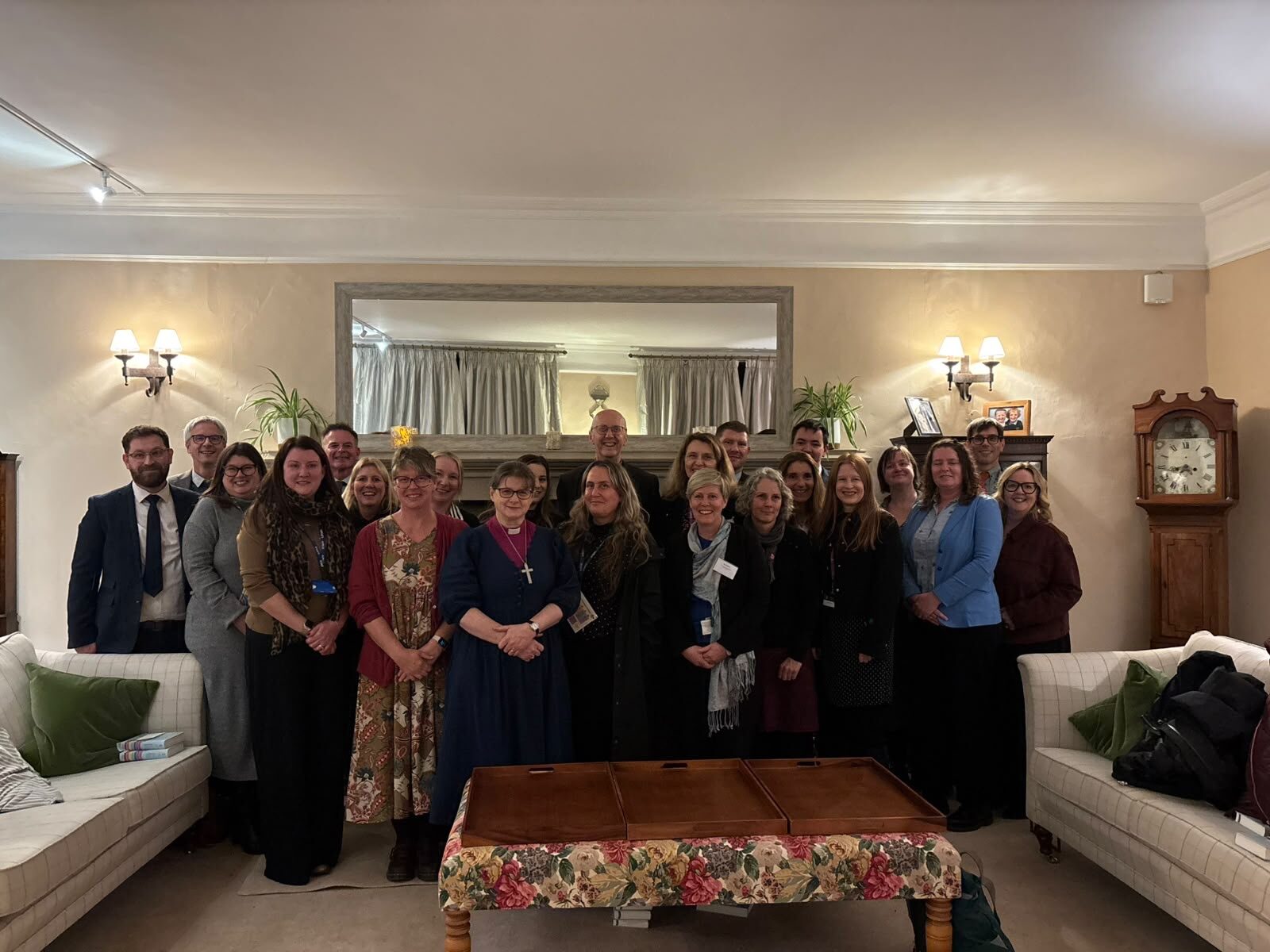
School leaders and Multi-Academy Trust chief executive are welcomed into the Diocese of Bath and Wells Education family.
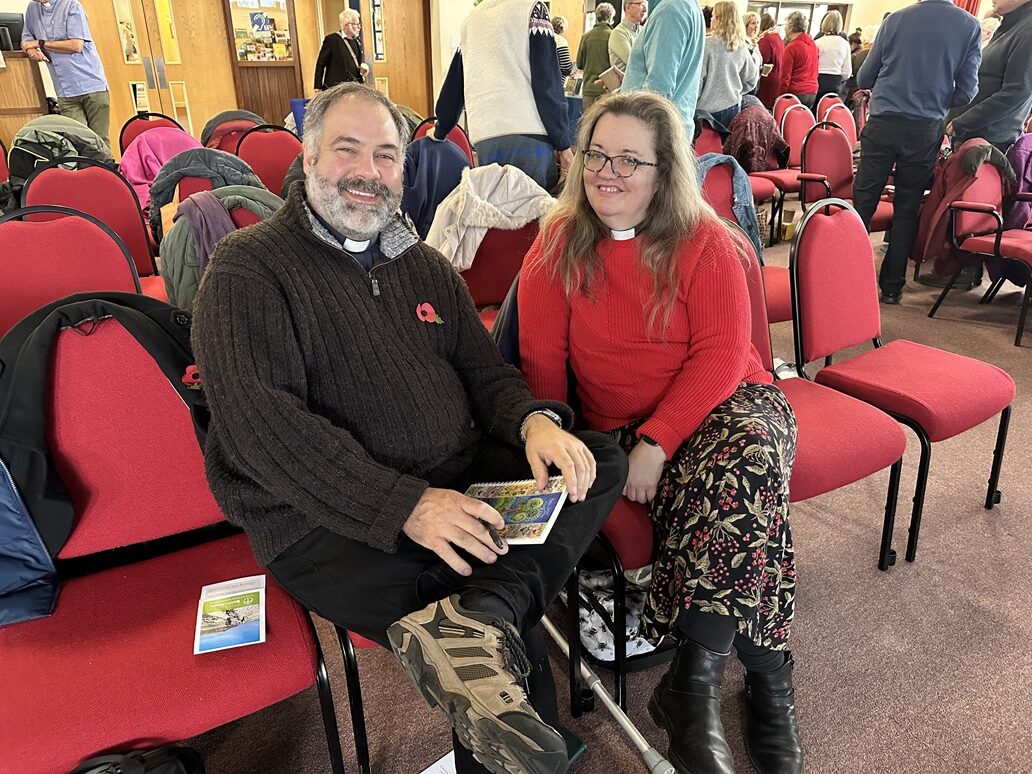
Gathering together from across the diocese to discuss pilgrimage at the Rural Forum.
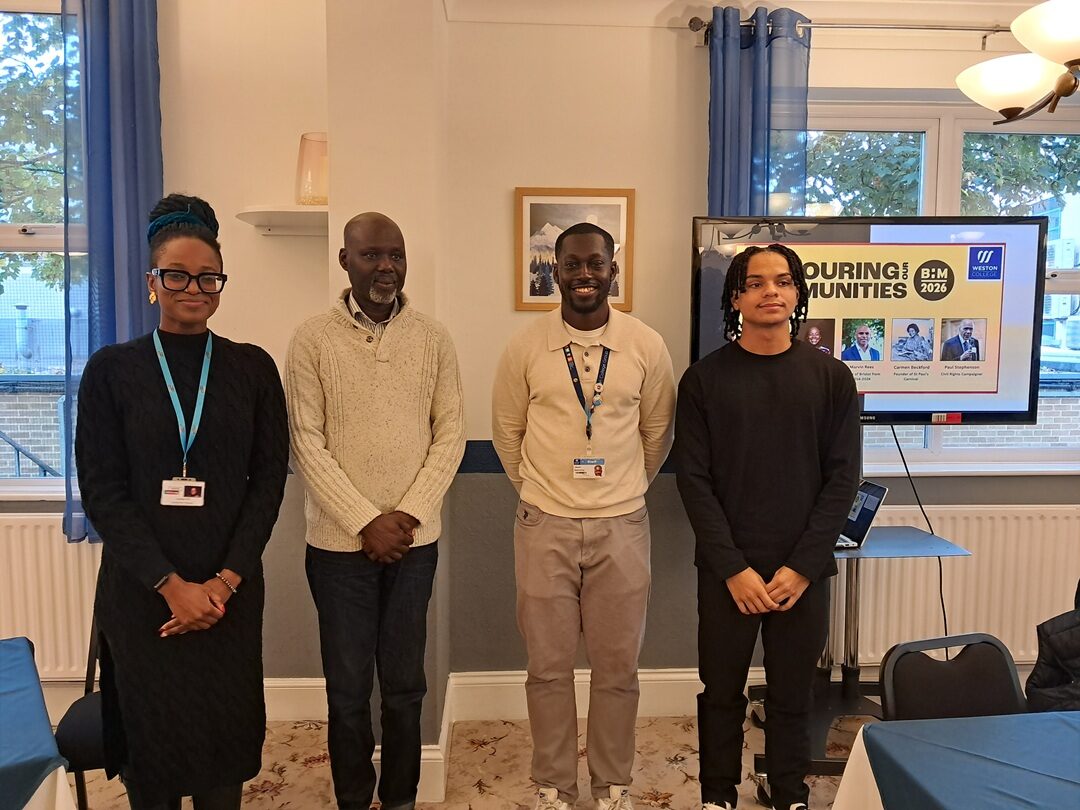
Jason Selormey, a member of the Bath and Wells Lament to Action Group, shares the Black History Month event he organised for Weston College students, staff, and guests.
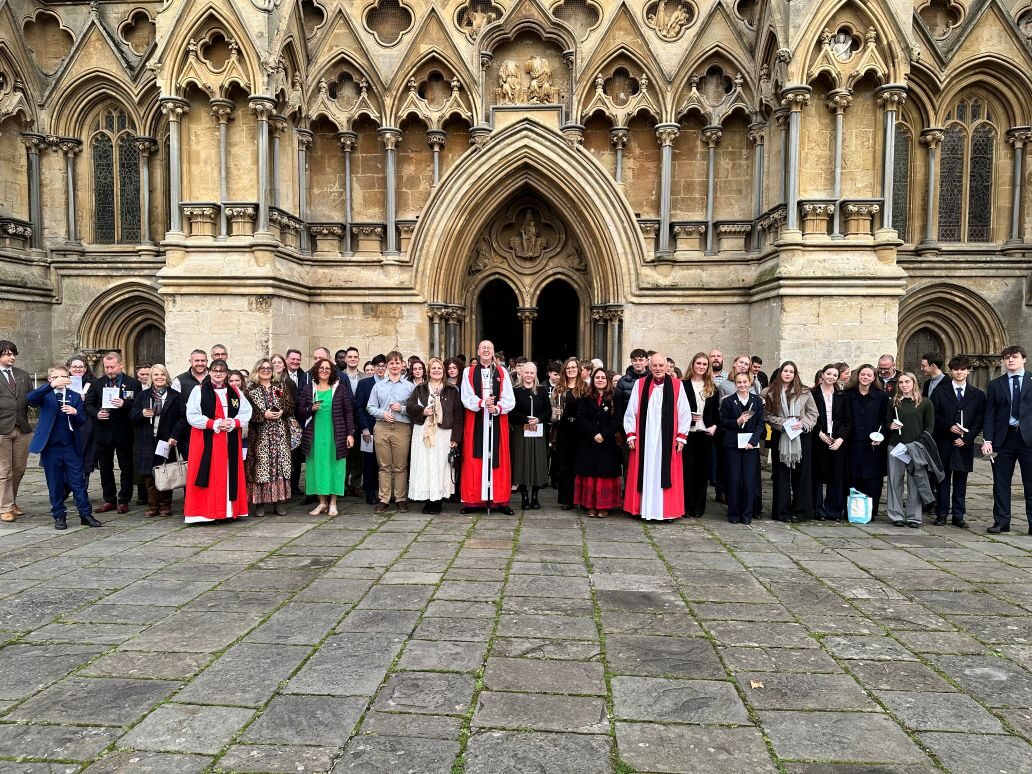
Wells Cathedral was filled with joy and celebration this weekend as 81 people were confirmed and four were baptised.

The latest edition of the Safeguarding Newsletter is now available to download.
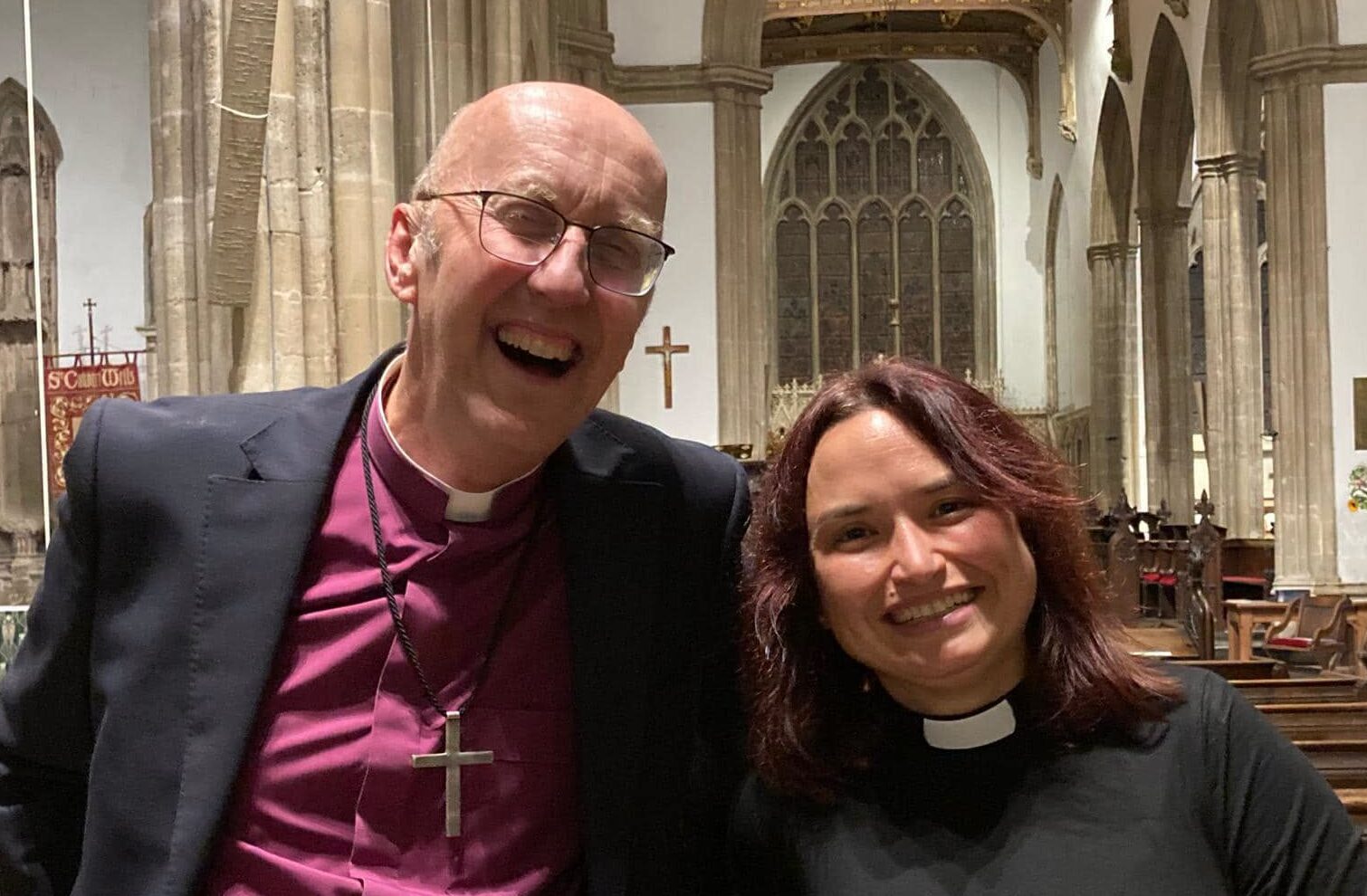
We give thanks for the ministry of all people across our diocese of Bath and Wells. As we share their…
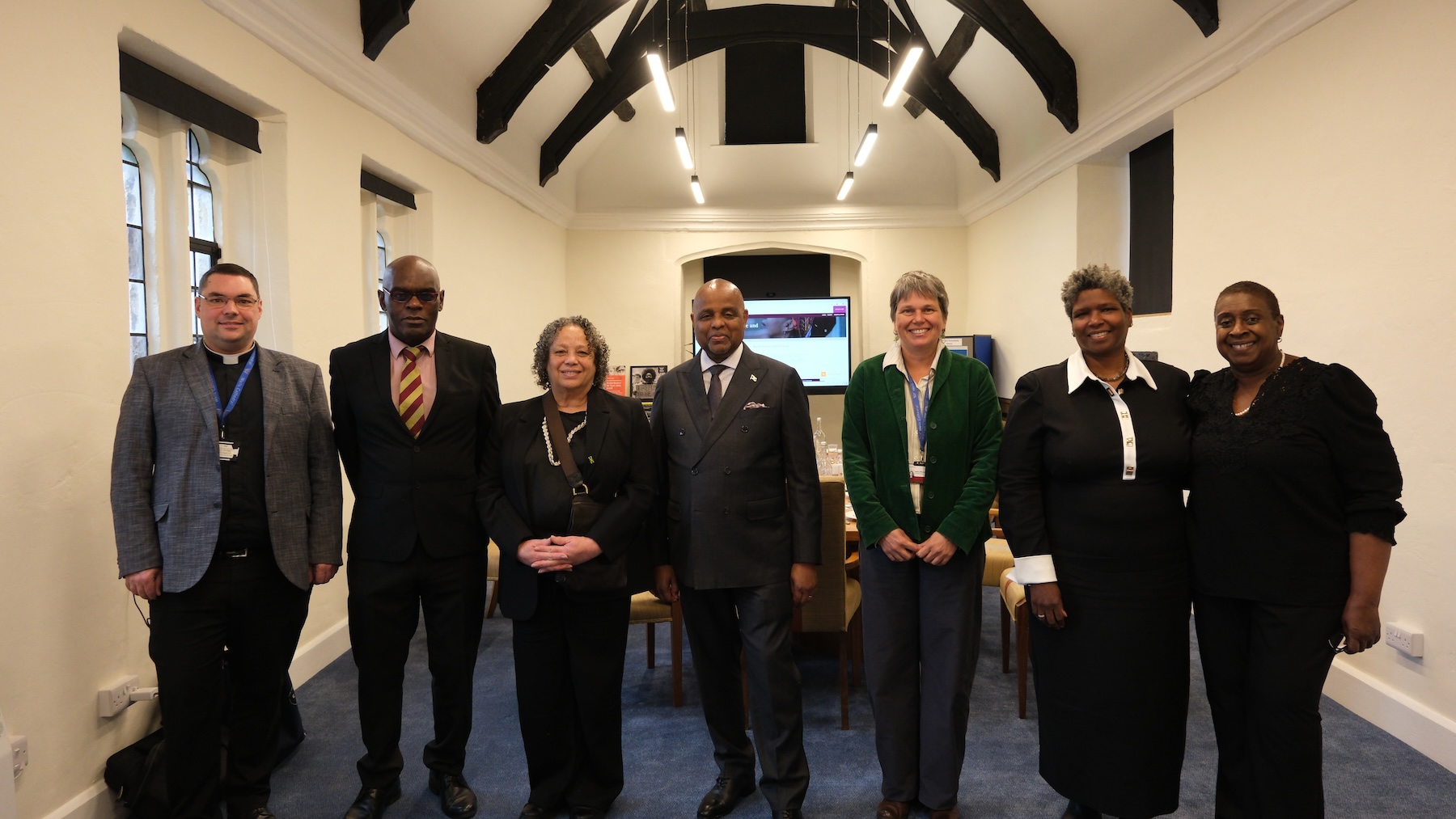
Jamaica’s High Commissioner to the United Kingdom paid a special visit to Wells Cathedral as part of the Somerset’s Black History Month celebrations.
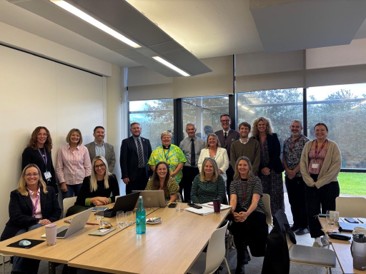
Representatives from Bath and Wells secondary and middle schools come together for a day of networking and collaboration.
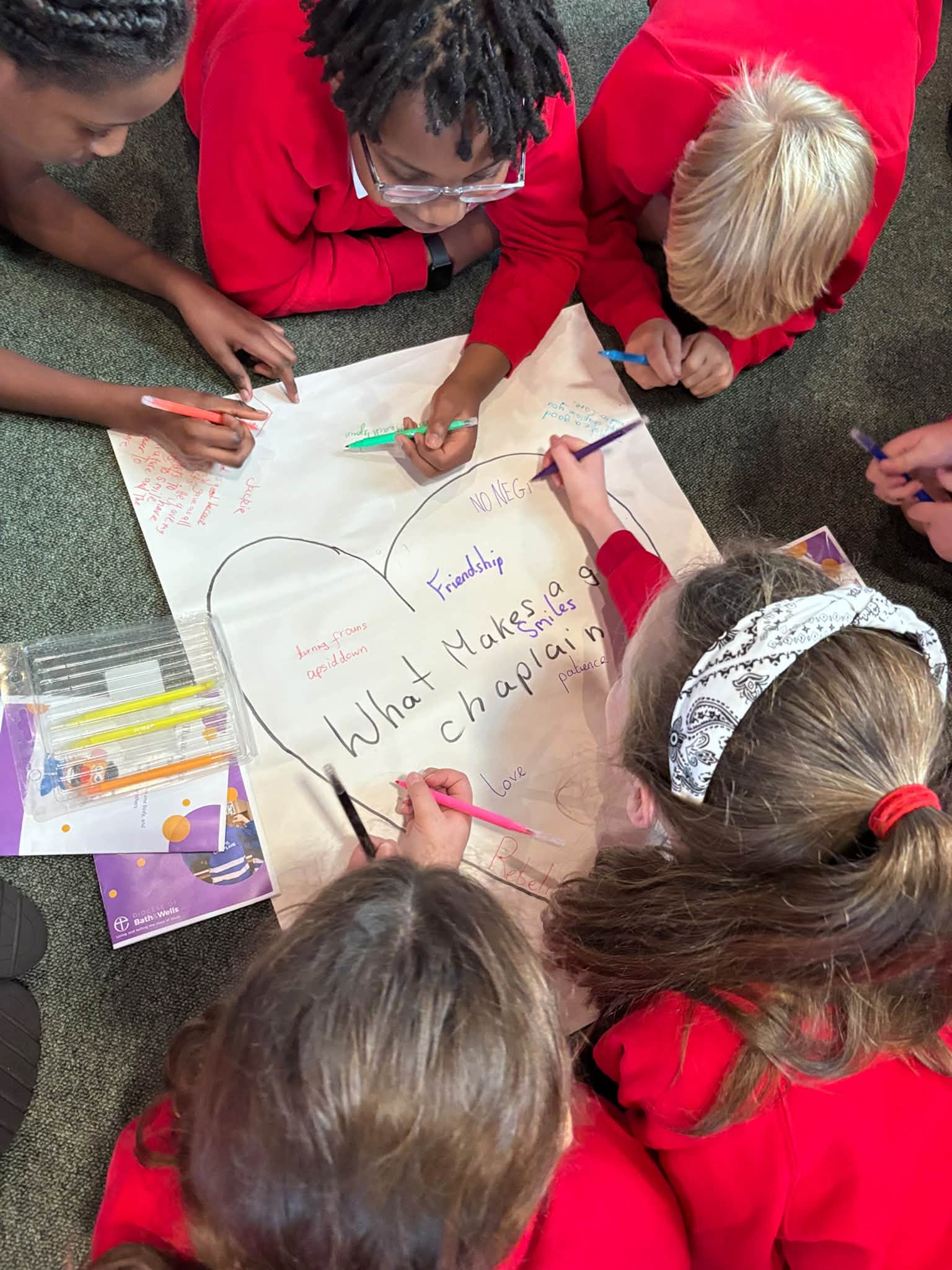
Welcoming 93 pupil chaplains to Yeovil for the Pupil Chaplaincy Gathering.