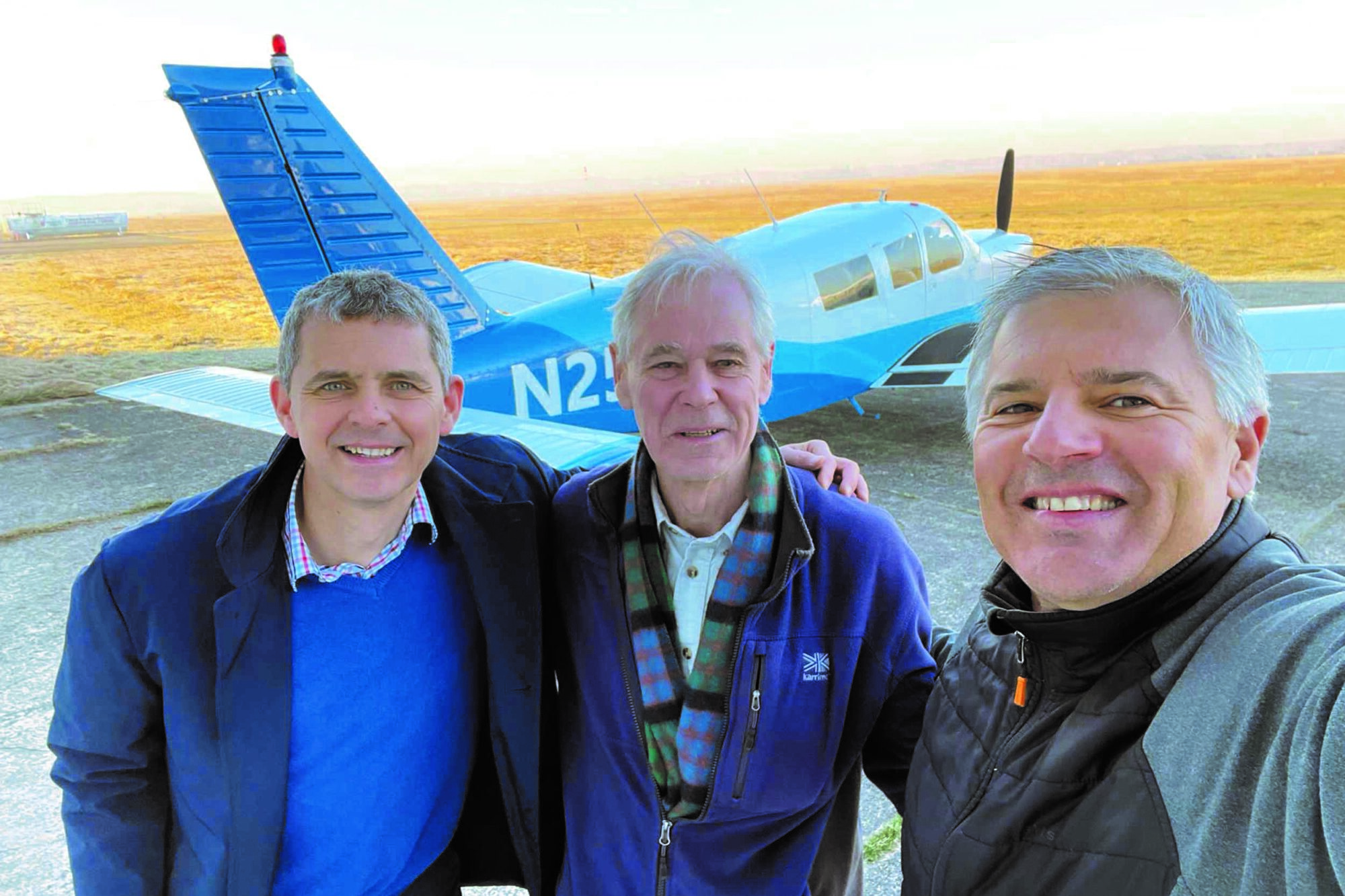
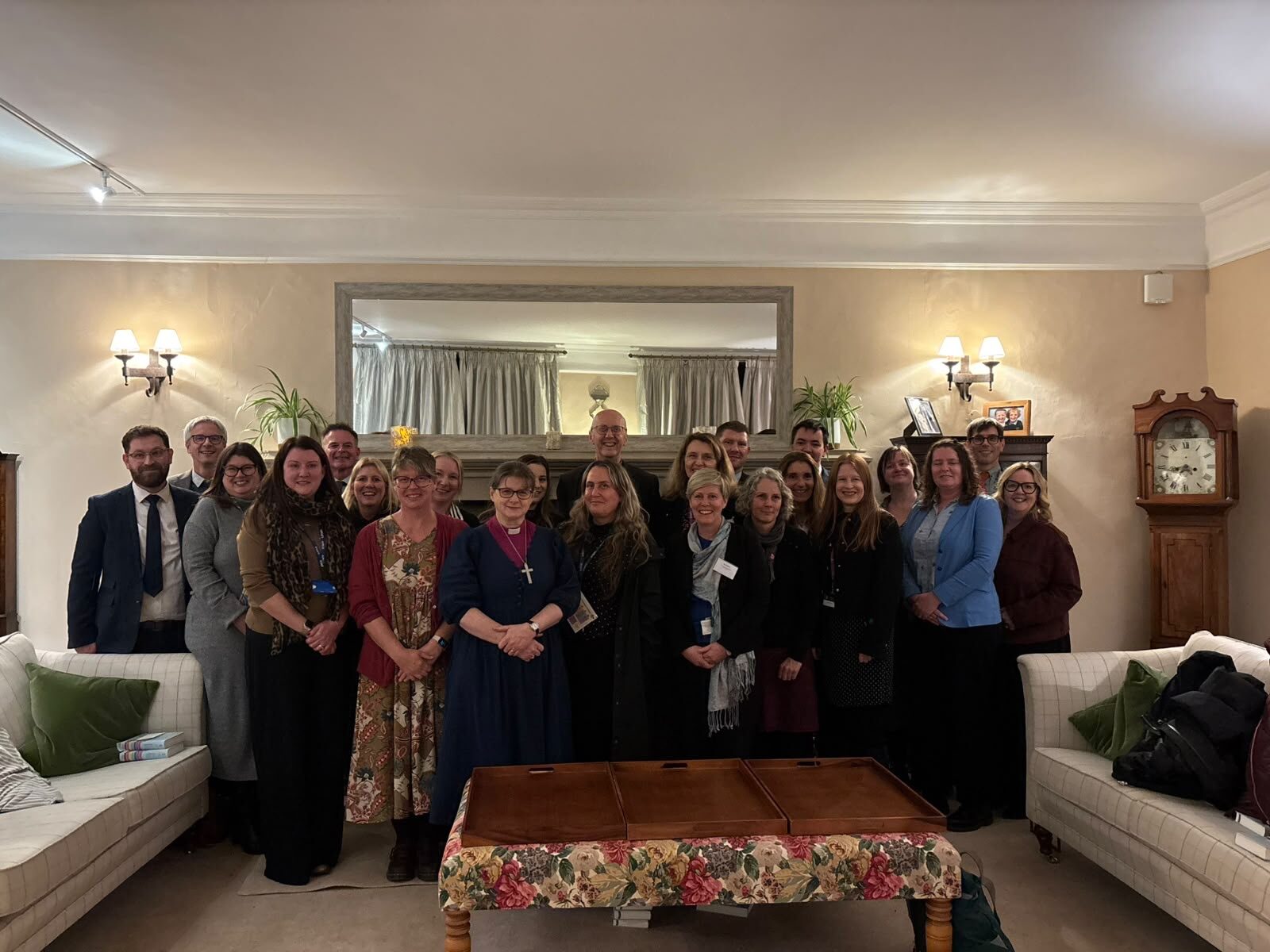
Welcome and support for new school leaders
School leaders and Multi-Academy Trust chief executive are welcomed into the Diocese of Bath and Wells Education family.

A Story of war, faith and reconciliation
For author Dick Beath, his faith was a starting point for an unexpected friendship. It led him to seek out another man who, like him, had experienced what became known as the Troubles — three decades of conflict in Northern Ireland, from the late 1960s to 1998.
Now, more than 50 years later, he shares their story and explains why he felt compelled to write it.
What first made you want to join the Army?
I think I always wanted to join. From about 11 or 12, I was fascinated by my uncle, who was a Colonel and had served before, during and after the Second World War. We visited him in Shropshire every Easter, and I loved his photographs of the 8th Army in the desert, his riding boots in the corner and his pistol on the desk. It all seemed incredibly exciting.
I wasn’t particularly bothered about A Levels – I just needed two passes to get to Sandhurst. I didn’t get in immediately, though. I was deferred and told to spend some time in the ranks first. So I joined the Royal Tank Regiment as a trooper, did my training at Catterick and then went through potential officers’ training. It was tough, but I eventually made it to Sandhurst and was commissioned into the First Battalion the Light Infantry (former Somerset and Cornwall Light Infantry), the same regiment my uncle had served in.
And how quickly did you find yourself in Northern Ireland?
Very quickly. I joined the battalion in Germany in April 1972, and by July we were heading to Northern Ireland. We arrived in Belfast on 21 July – the day that became known as Bloody Friday, when the IRA detonated a large number of bombs across the city.
What was that experience like for you?
It was incredibly intense. It was my first command and, over four and a half months, just about everything that could happen seemed to happen – gunmen, bombs, soldiers being wounded and killed, and constantly having to make difficult decisions.
Looking back, that intensity is one of the reasons I felt I had to write the book. I knew this was an unusual moment in history and that,
if I didn’t record it, it could easily be forgotten.
But Remember 1690 isn’t simply your story, is it?
No. That’s what makes it different. In 2000, I returned to Belfast and tracked down a young man who had been a 16-year-old boy doing errands for our battalion on the Falls Road. He later became an IRA gunman.
By then I had become a Christian, and I wanted to understand what had happened from the other side. Through someone involved in reconciliation between the communities, I was introduced to him. We met and talked for several hours. His story runs alongside mine throughout the book.
There is also another perspective: my future brother-in-law David was serving in another part of Belfast at the same time and kept a diary. His original diary entries are included, completely unedited. So you have three different perspectives running alongside
each other.
Did becoming a Christian change the way you looked back on those experiences?
Definitely. I first went to Northern Ireland as a young soldier who wasn’t a Christian. I returned later as a Christian, and by 2000 I really wanted to speak to someone who had been on the other side.
When I met him, I found a man who was no longer the person who had been prepared to kill. He had become a Christian too and was involved in speaking to young people about gangs and violence. That was incredibly significant for me.
Was writing the book personally revealing?
Very much so. I realised I had to be honest about how I felt at the time – including my fear, uncertainty and lack of confidence. My younger son was surprised when he read some of it because he had never imagined me as a young man who could be so unsure of himself.
The book isn’t about telling people who was right or wrong. It’s about what it was actually like to be there – the confusion, fear, decisions and changing emotions.
What do you hope people take from it?
I hope people understand something of the human side of conflict. The factual history is important, but so are the ordinary human reactions to it.
I also hope it contributes to conversations about reconciliation. Northern Ireland shows that communities can move from conflict towards peace, even though the process is never perfect. That experience may have something to teach people facing conflict elsewhere.
And perhaps most importantly, I wanted to preserve the memories of those who were there, particularly the five soldiers who were killed. Their names are included because, for me, the book is also a memorial.
And how does the story end?
With something I never could have imagined when I first arrived in Belfast.
At the end of the book, I ask my former opponent what he thinks the future should look like. We talk about peace and reconciliation, and I offer to say a prayer for him. I do – and then he says a prayer for me. That’s the final sentence of the book.
Story first published in the November edition of ‘This is Us’, a community magazine produced by St John’s Church, Peasedown, to keep people updated and informed about what’s going on at their local churches. The book, Remember 1690 is available from Amazon under Dick’s pen name, Richard Ramsden.
School leaders and Multi-Academy Trust chief executive are welcomed into the Diocese of Bath and Wells Education family.
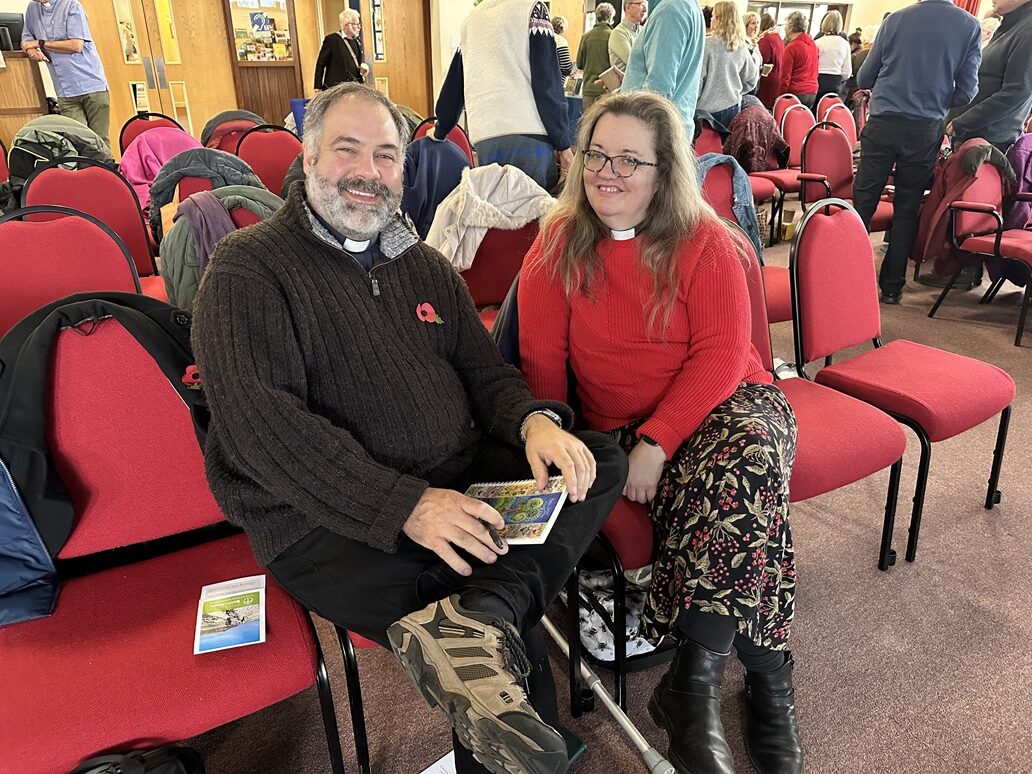
Gathering together from across the diocese to discuss pilgrimage at the Rural Forum.
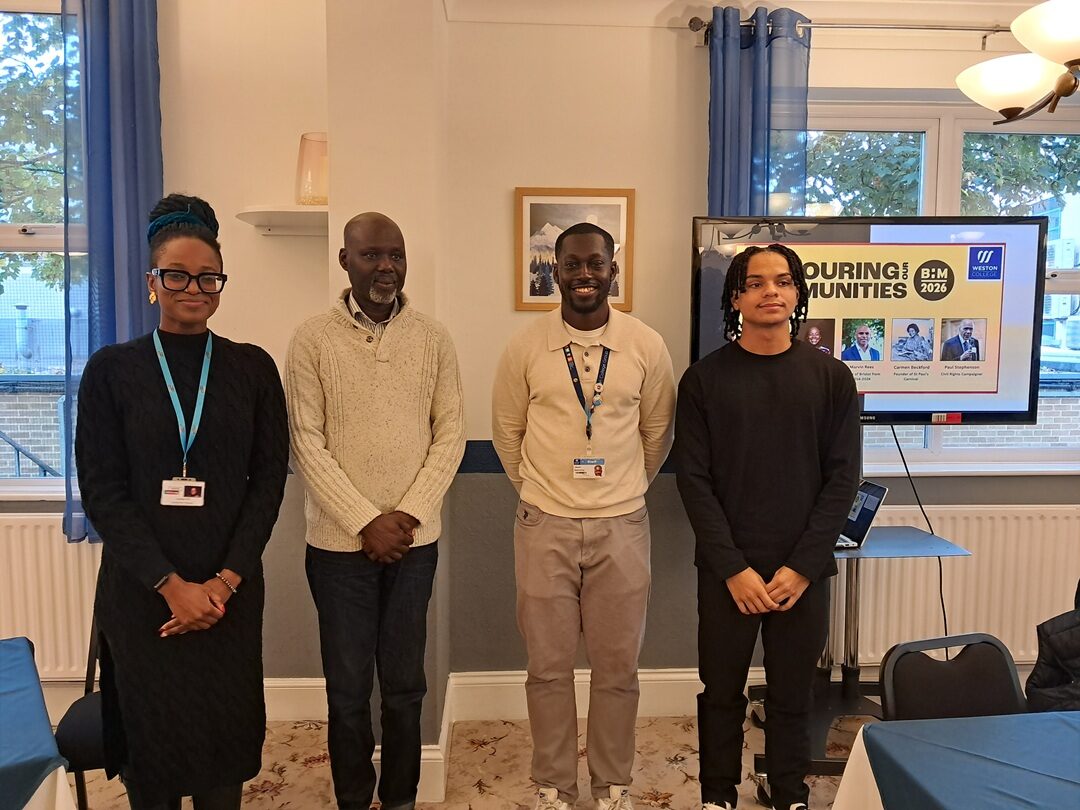
Jason Selormey, a member of the Bath and Wells Lament to Action Group, shares the Black History Month event he organised for Weston College students, staff, and guests.
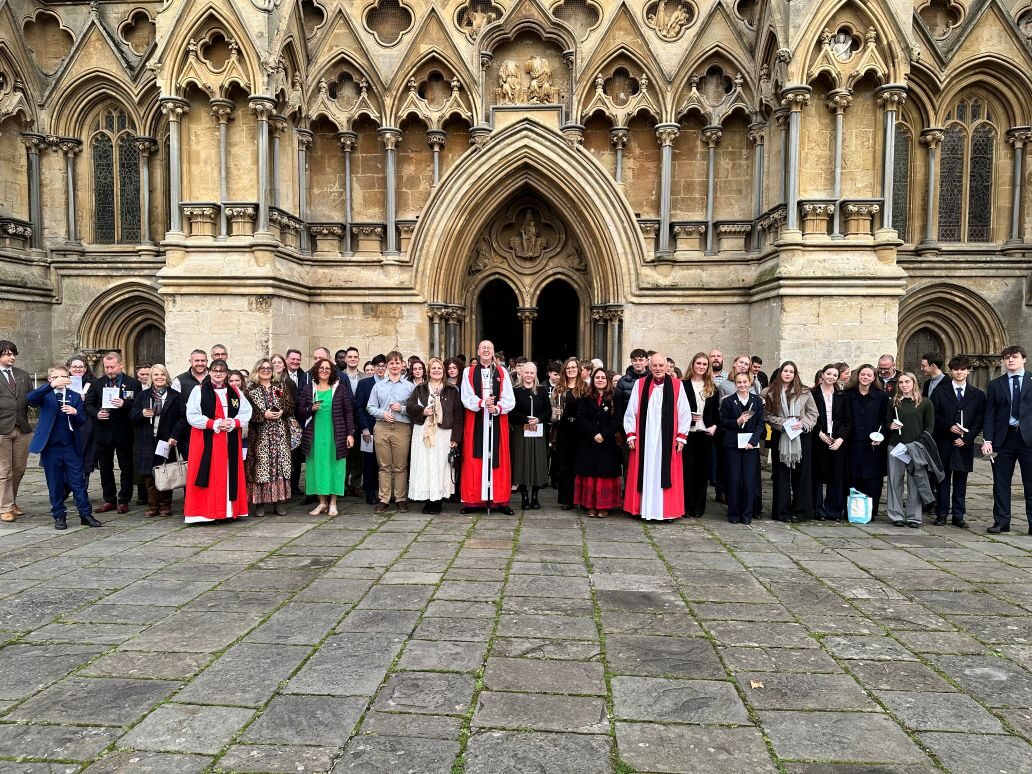
Wells Cathedral was filled with joy and celebration this weekend as 81 people were confirmed and four were baptised.
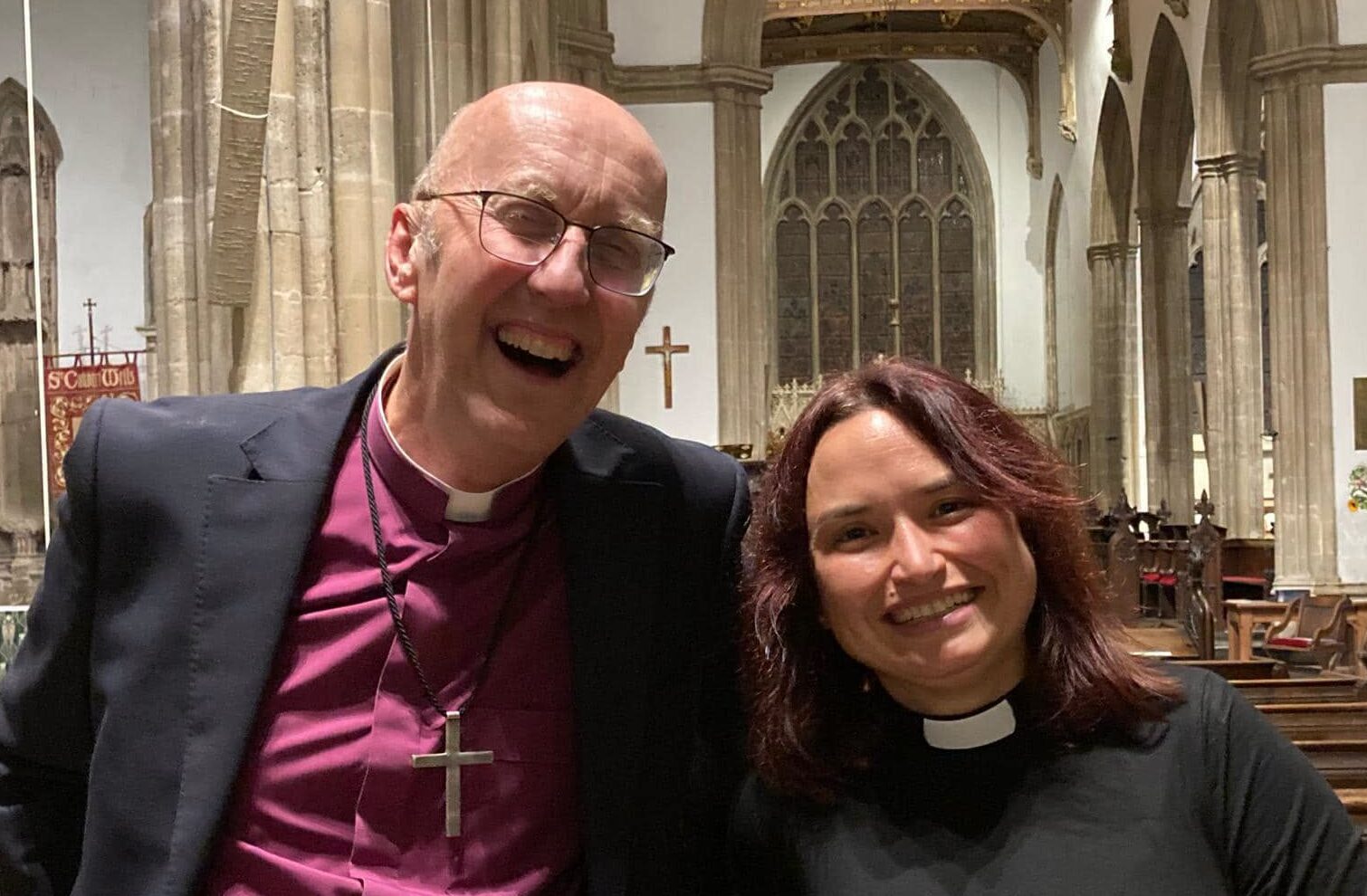
We give thanks for the ministry of all people across our diocese of Bath and Wells. As we share their…
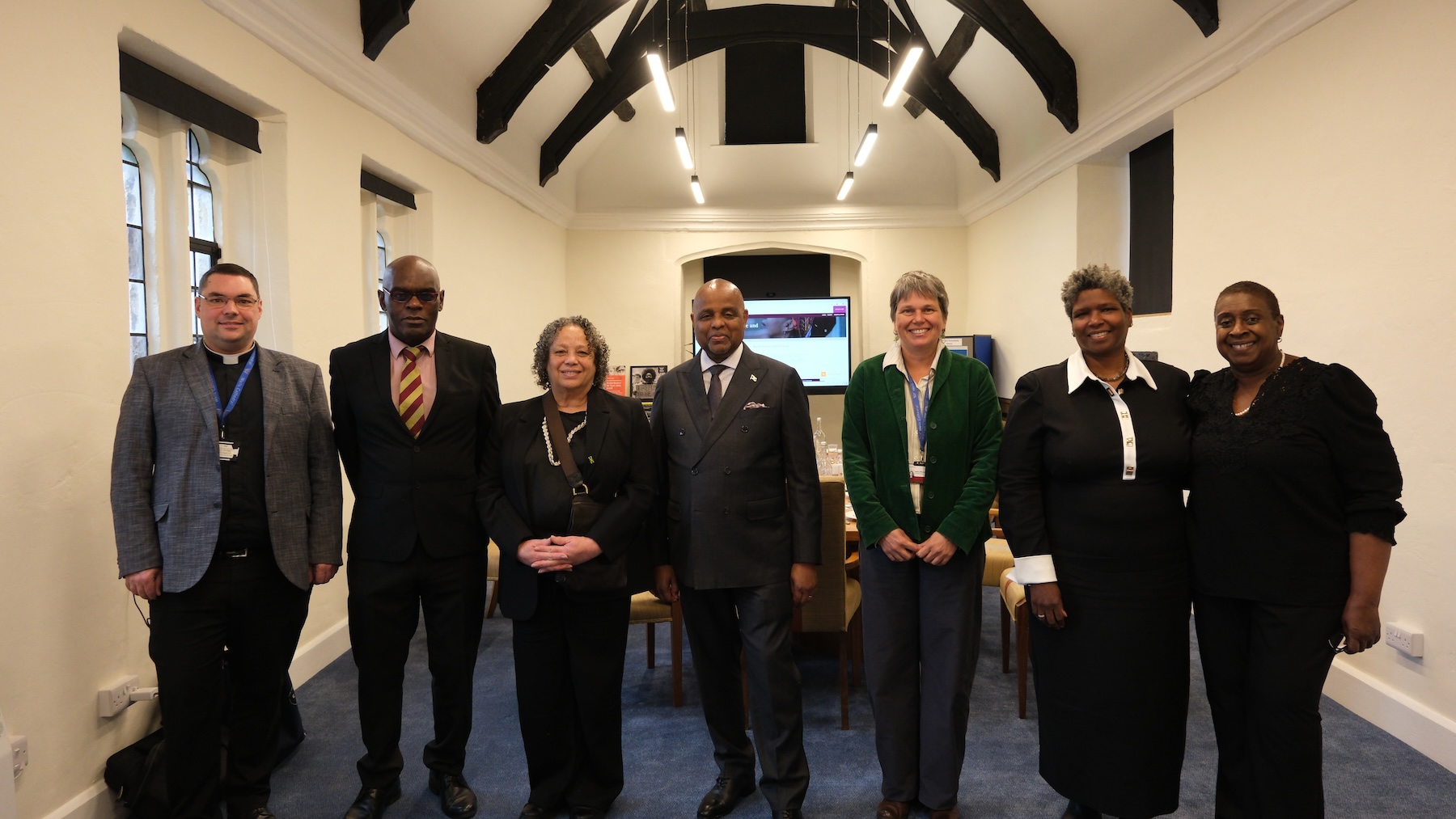
Jamaica’s High Commissioner to the United Kingdom paid a special visit to Wells Cathedral as part of the Somerset’s Black History Month celebrations.
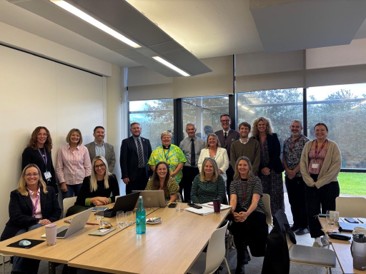
Representatives from Bath and Wells secondary and middle schools come together for a day of networking and collaboration.
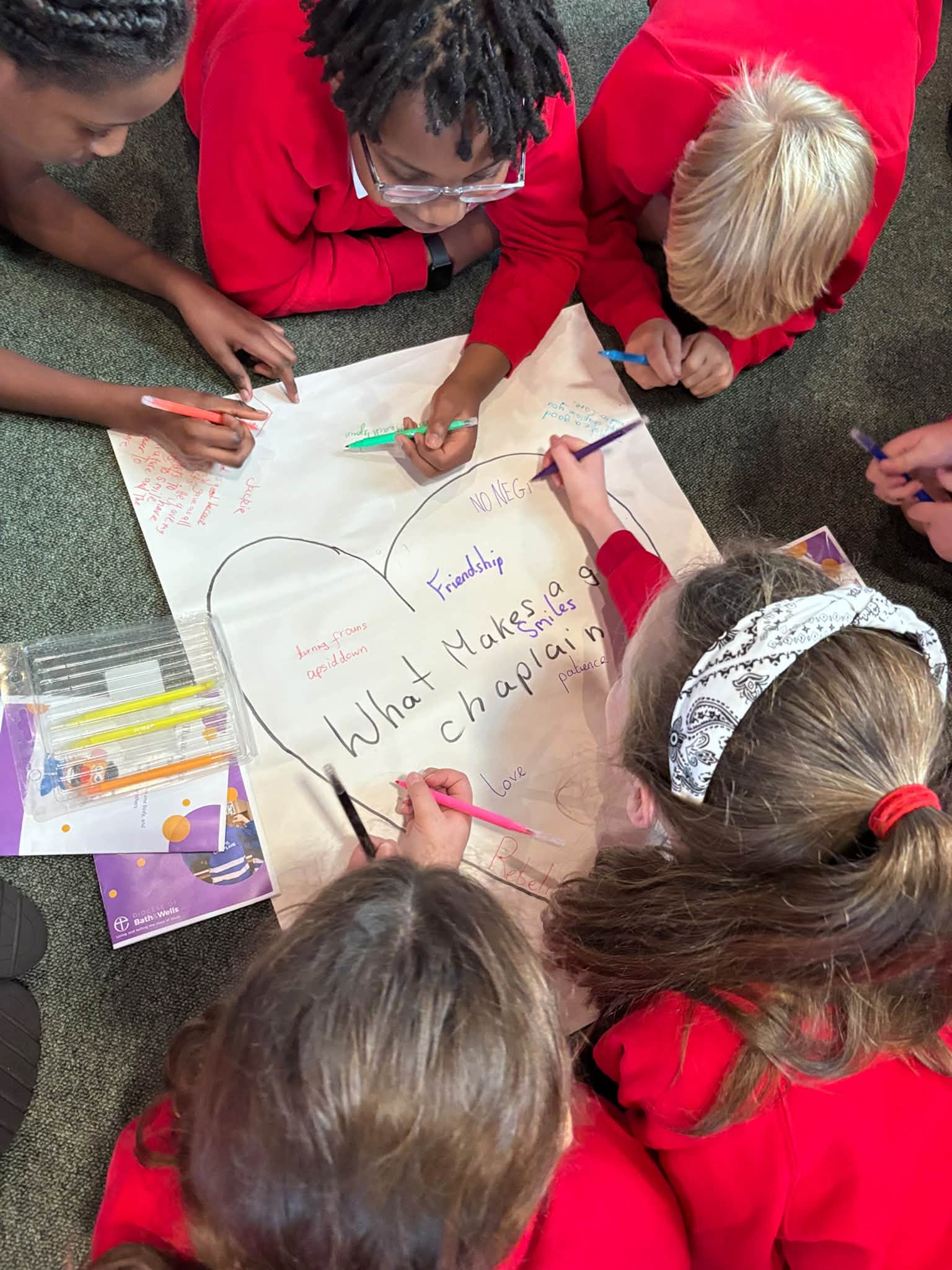
Welcoming 93 pupil chaplains to Yeovil for the Pupil Chaplaincy Gathering.
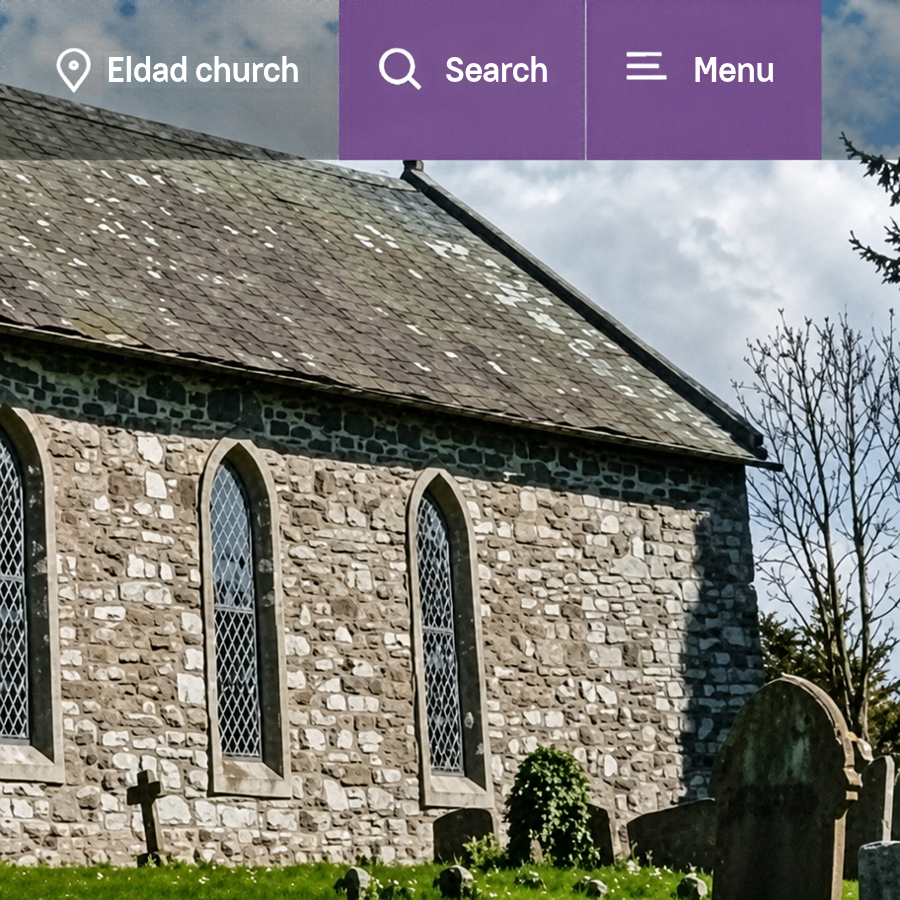
Based on user feedback, and following extensive research and testing, the website has been redesigned for use by local church leaders and churchgoers, those who might be curious about faith, and many others.
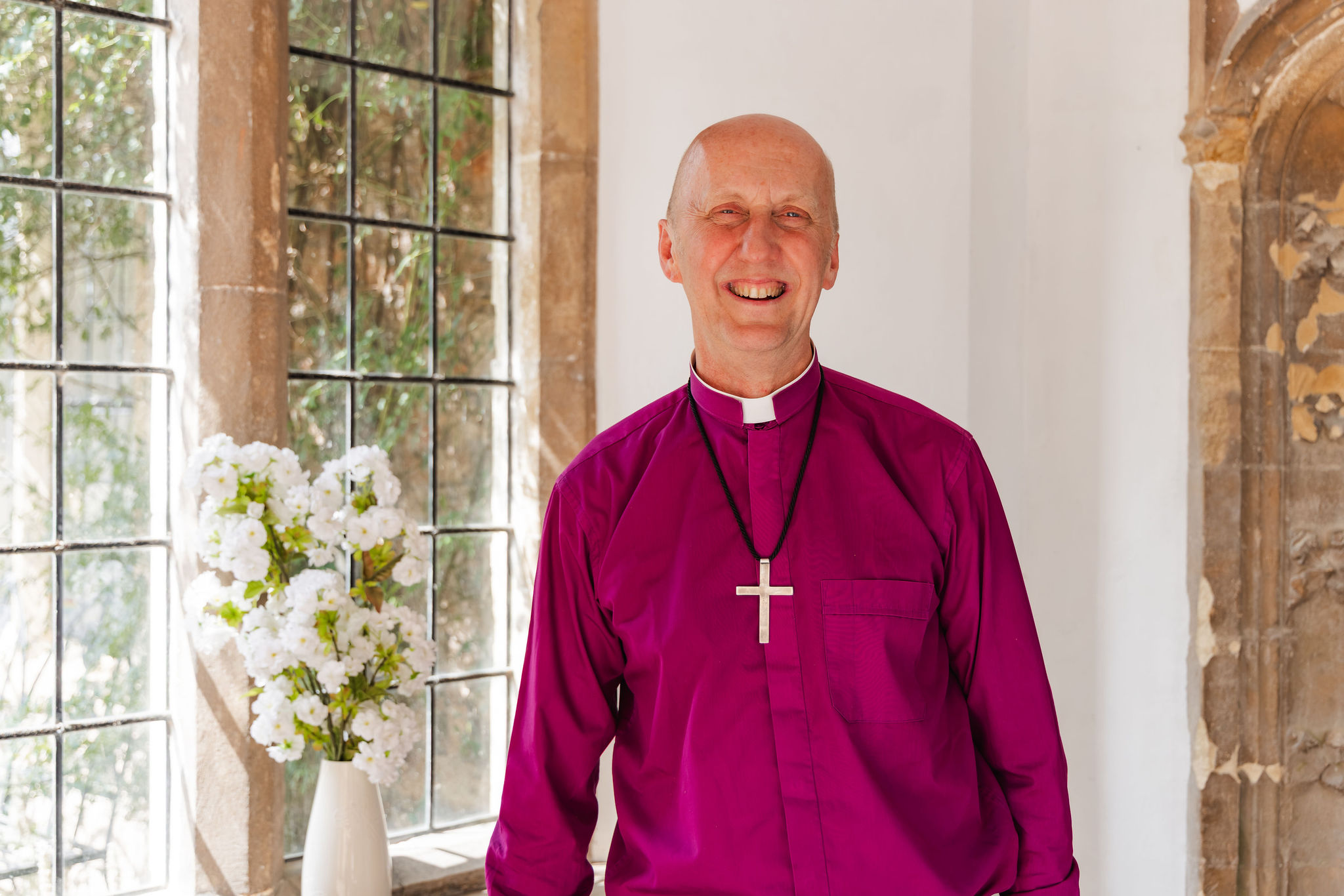
Bishop Michael to be formally introduced on Tuesday 27 October to the House of Lords as one of the Church of England's Lords Spiritual.