In Autumn this year, elections are taking place to elect new General Synod members and you are invited to stand. General Synod is the Church of England’s national assembly, bringing…
In Autumn this year, elections are taking place to elect new General Synod members and you are invited to stand.
General Synod is the Church of England’s national assembly, bringing together bishops, clergy and laity from across the country to make decisions about the Church’s life and work. It approves legislation, shapes national policy, authorises new forms of worship and agrees the annual budget. Members are a mixture of bishops, clergy and lay people.
This video explains all about General Synod and how it works. More information about the role of Geneneral Synod is available on the Church of England’s website.
In the Diocese of Bath and Wells we have 4 members of clergy and 5 members of laity. General Synod members represent the whole range of people and churches in the Church of England.
Why stand as member of General Synod?
Ensure the voice of your diocese and community is represented.
Help shape the future decision making of the Church of England.
Help keep the people in our diocese up to date with decisions made at a national level.
Some of the key topics that have been debated, amended and approved by General Synod in the past five years include:
changes to the Church’s safeguarding structure
agreement of key milestones for how the Church can reach Net Zero Carbon
regulations enabling improvements to clergy pensions benefits
establishing a day of prayer for the global persecuted church
modernising how Church funds are ethically invested and enhancing accountability in financial stewardship
Who can stand as a lay member of the General Synod?
Almost anyone who attends a Church of England church regularly is eligible to stand as a candidate for the General Synod. You do not need to be a member of your deanery synod or diocesan synod to stand as a candidate. You need to be aged 18 or over, confirmed, on the electoral roll and have taken communion at least three times in the past year. The Church of England website has a quick eligibility checker as well as more in-depth information about eligibility to stand.
What does a General Synod member do?
They represent the concerns of their community and their diocese at a national level.
Members speak in debates, propose and vote on motions, serve on committees and review legislation.
They have a say in national legislation that affects all parts of the Church of England.
Can raise issues and contribute to debates on social and policy matters.
Are involved in the national governance of the Church.
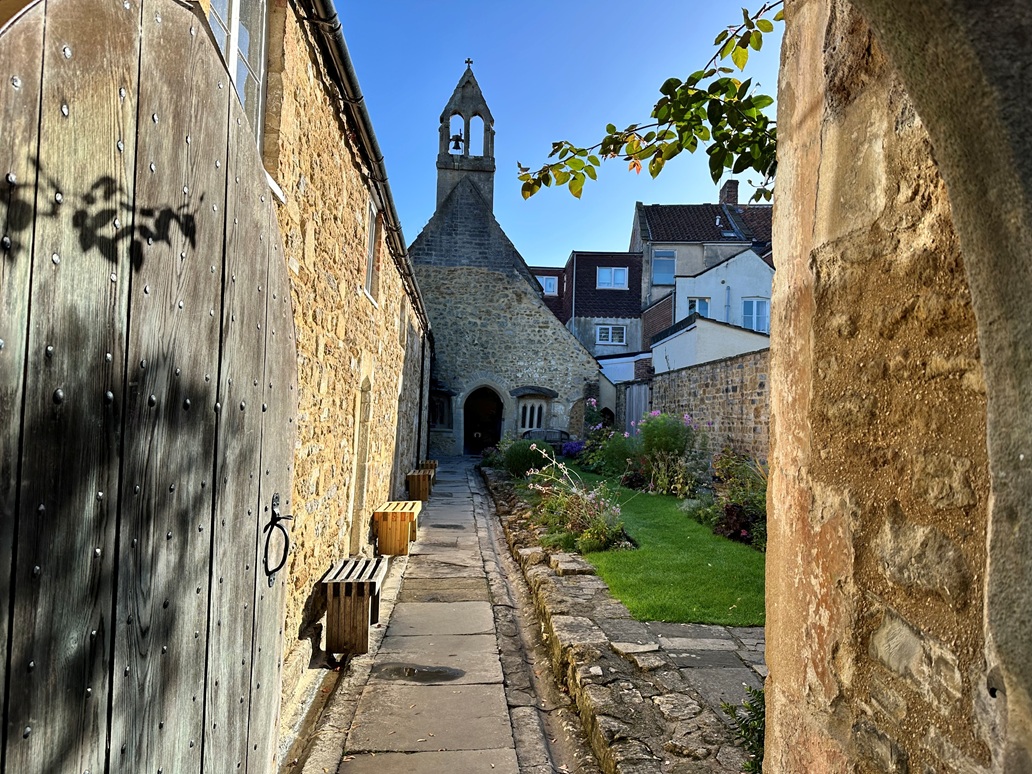
Tucked away down a narrow pathway, behind a large wooden door in the heart of Glastonbury, lie St Margaret’s Chapel and The Royal Magdalene Almshouses, a peaceful sanctuary that has welcomed pilgrims and visitors for more than 700 years.
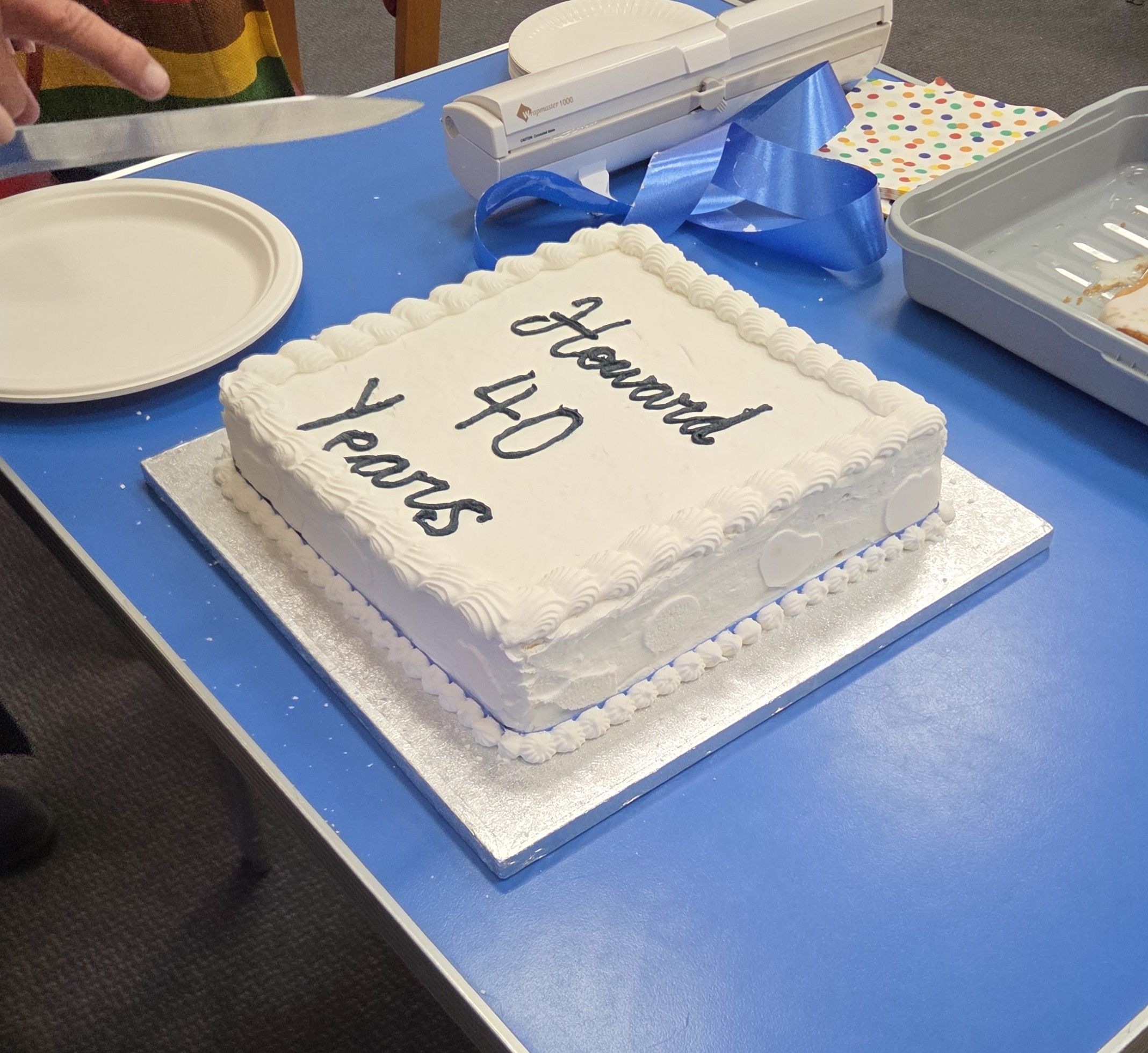
The benefice of Holy Trinity Yeovil with St Mary Magdalene Barwick marked 60 years of combined ministry between two of their licensed lay readers earlier this month.
For many of us in church life, safeguarding can feel like something imposed from the outside, but what if we've been looking at it all wrong? What if safeguarding isn't about compliance at all, but about the very heart of what it means to follow Jesus?
Last week, Bishop Michael joined the Diocesan Board of Education to thank Tracey Khodabandehloo for her years of service for the schools in the Diocese of Bath and Wells.
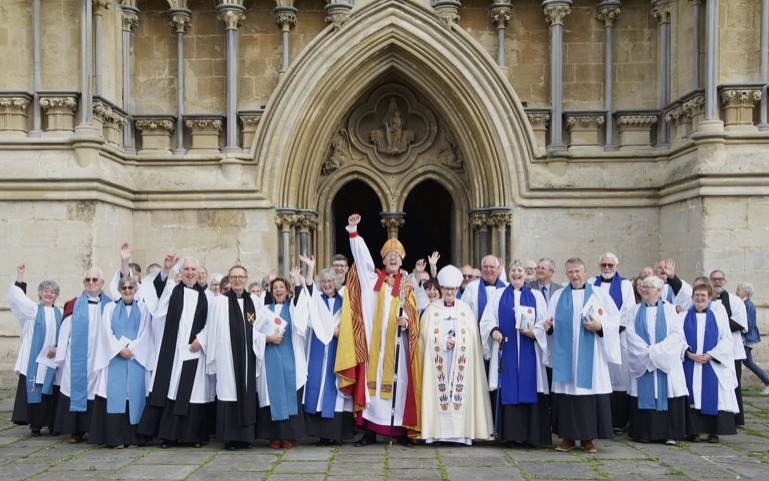
The Rt Revd Michael Beasley, Bishop of Bath and Wells, has been called to serve in the House of Lords as one of the Church of England’s Lords Spiritual.
Manage Consent
To provide the best experiences, we use technologies like cookies to store and/or access device information. Consenting to these technologies will allow us to process data such as browsing behavior or unique IDs on this site. Not consenting or withdrawing consent, may adversely affect certain features and functions.
Functional
Always active
The technical storage or access is strictly necessary for the legitimate purpose of enabling the use of a specific service explicitly requested by the subscriber or user, or for the sole purpose of carrying out the transmission of a communication over an electronic communications network.
Preferences
The technical storage or access is necessary for the legitimate purpose of storing preferences that are not requested by the subscriber or user.
Statistics
The technical storage or access that is used exclusively for statistical purposes.The technical storage or access that is used exclusively for anonymous statistical purposes. Without a subpoena, voluntary compliance on the part of your Internet Service Provider, or additional records from a third party, information stored or retrieved for this purpose alone cannot usually be used to identify you.
Marketing
The technical storage or access is required to create user profiles to send advertising, or to track the user on a website or across several websites for similar marketing purposes.