‘We can do it’ Julian Spicer is one of nine Lay Worship Assistants licensed in Quantock Towers benefice last year. What made you all decide to become LWAs? We had…
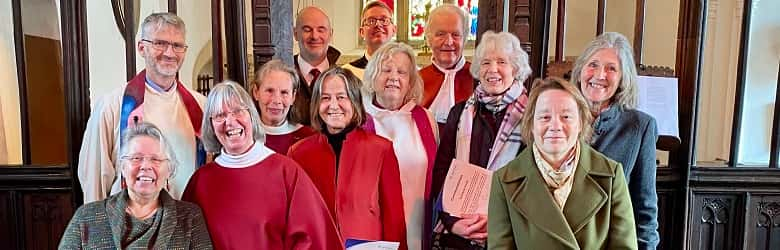
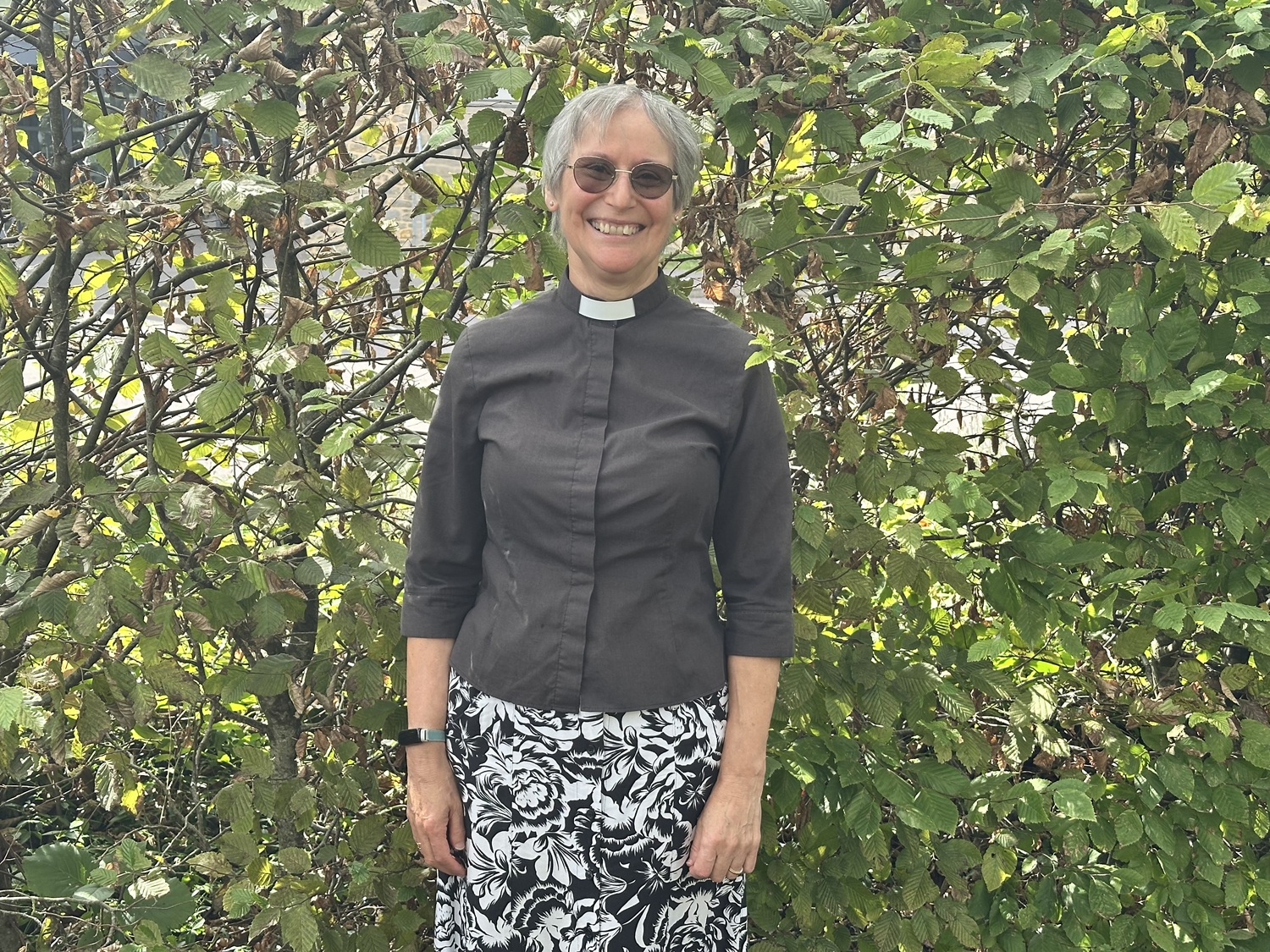
Julian Spicer is one of nine Lay Worship Assistants licensed in Quantock Towers benefice last year.
What made you all decide to become LWAs?
We had advance notice of our rector retiring and as churchwardens are practical problem-solving people and we knew, post-Covid, how important it is for people to have confidence that we are maintaining our normal service pattern. We went out and asked our congregations who would like to join us and train up and in total nine of us trained up, including five churchwardens.
How was the training?
It was only four Saturday mornings and was just for our deanery and with just 11 people in total on our course, it felt very comfortable. Although churchwardens can take services if needed, there was a real benefit in us all taking the same training and getting a common grounding. I don’t think the training would get anyone from zero to where they needed to be, but because there is an element of self-selection in it – in that few people put themselves forward as they all had some kind of role that meant they were used to being up front in some way, for example a churchwarden or choir members.
Are you looking forward to having a vicar again?
It will be nice not to have to worry about finding someone to take a Christening service, for example, and knowing that there is someone there who can either do it or find someone to do it. There is a bit of a sense of ‘we’ve proved we can do it but don’t want to do it on our own forever’.
Have you enjoyed it?
I think some people have found it a growth experience. They feel they really have moved on from one place to another place and we are all very happy to carry on doing services. We also have two more people are in training so we will soon have 11 LWAs which is great.
What would you say to anyone considered being an LWA?
There is a satisfaction in getting on with the role. If you feel it is something you want to do and would like to do then you can probably do it. You can be reassured that generally you will be doing it for people you know, who are not generally critical and they will be very pleased that someone is prepared to stand up and do it. You feel the gratitude and reward in doing it.
Is it a demanding role?
You have to choose how much you are prepared to do and of course at first it takes a bit of time to get used to, finding everything you need for the service, for example a suitable sermon, and such like but you do get into a rhythm and learn where to find things. I am also in the process of setting up a Facebook group for LWAs (Lay Worship Leaders England) so we can support one another and share resources which I hope will be as useful as the one for Churchwardens.
Do you move around the churches in your benefice?
Not generally. Most of us have another role in the church so if we did we would need to find cover in that role so we are not particularly mobile, although we have started to do ‘swaps’. Partly of comfort, which can be overcome in time.
A shorter version of this article first appeared in the Manna mailing for February 2023.
Find out more about Enabling Ministries in Bath and Wells.
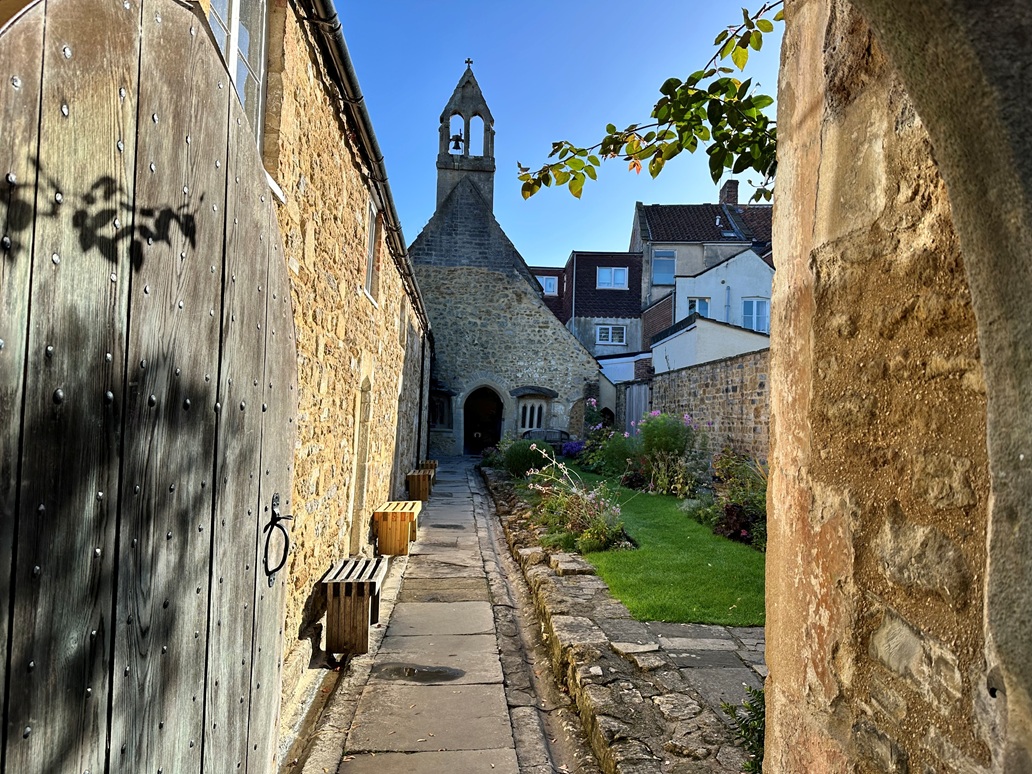
Tucked away down a narrow pathway, behind a large wooden door in the heart of Glastonbury, lie St Margaret’s Chapel and The Royal Magdalene Almshouses, a peaceful sanctuary that has welcomed pilgrims and visitors for more than 700 years.
The benefice of Holy Trinity Yeovil with St Mary Magdalene Barwick marked 60 years of combined ministry between two of their licensed lay readers earlier this month.
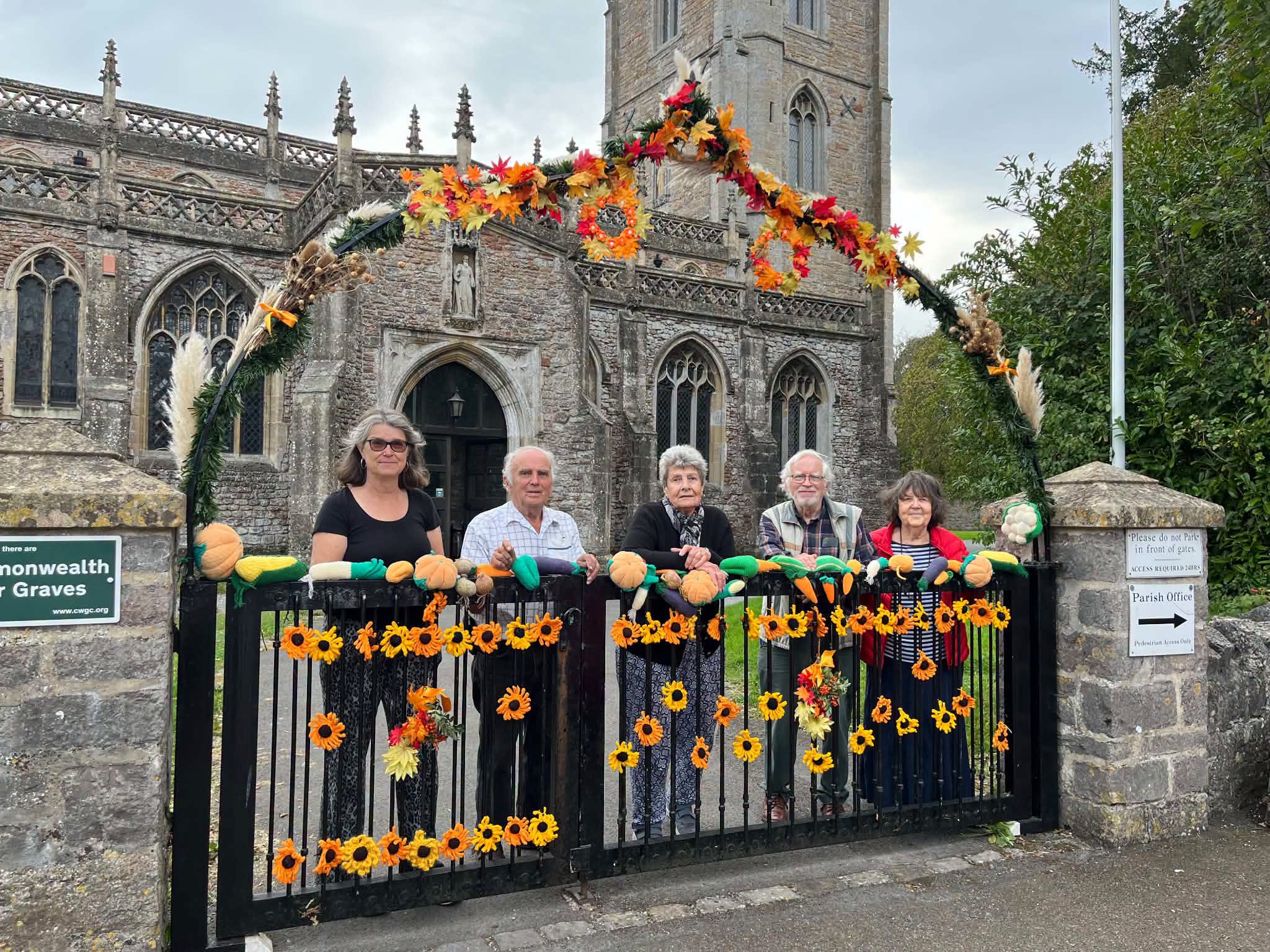
Churches across the diocese have been marking Harvest with services, and community activities, giving thanks to God for the fruit of the land and for the farmers who work to provide the food we eat.
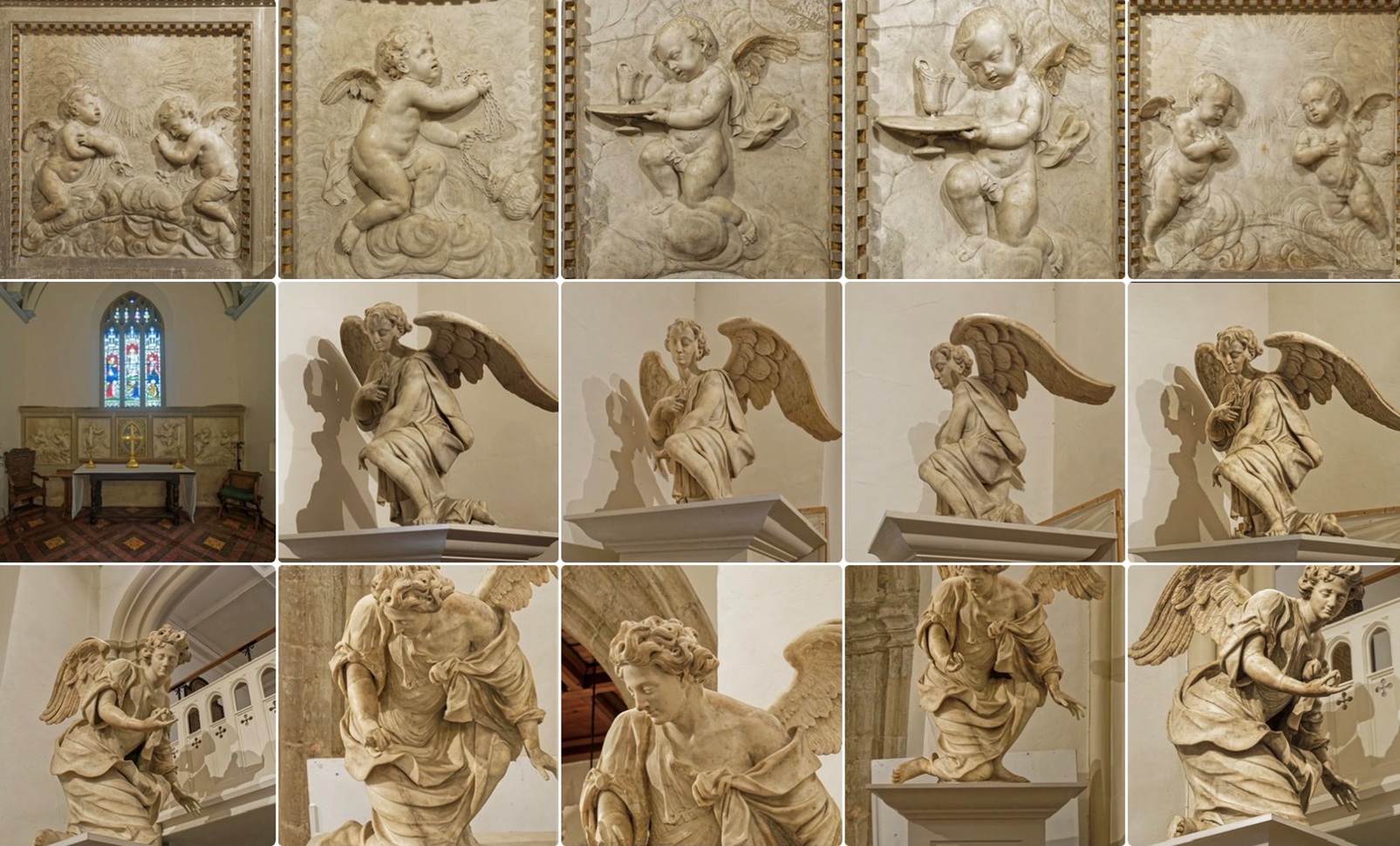
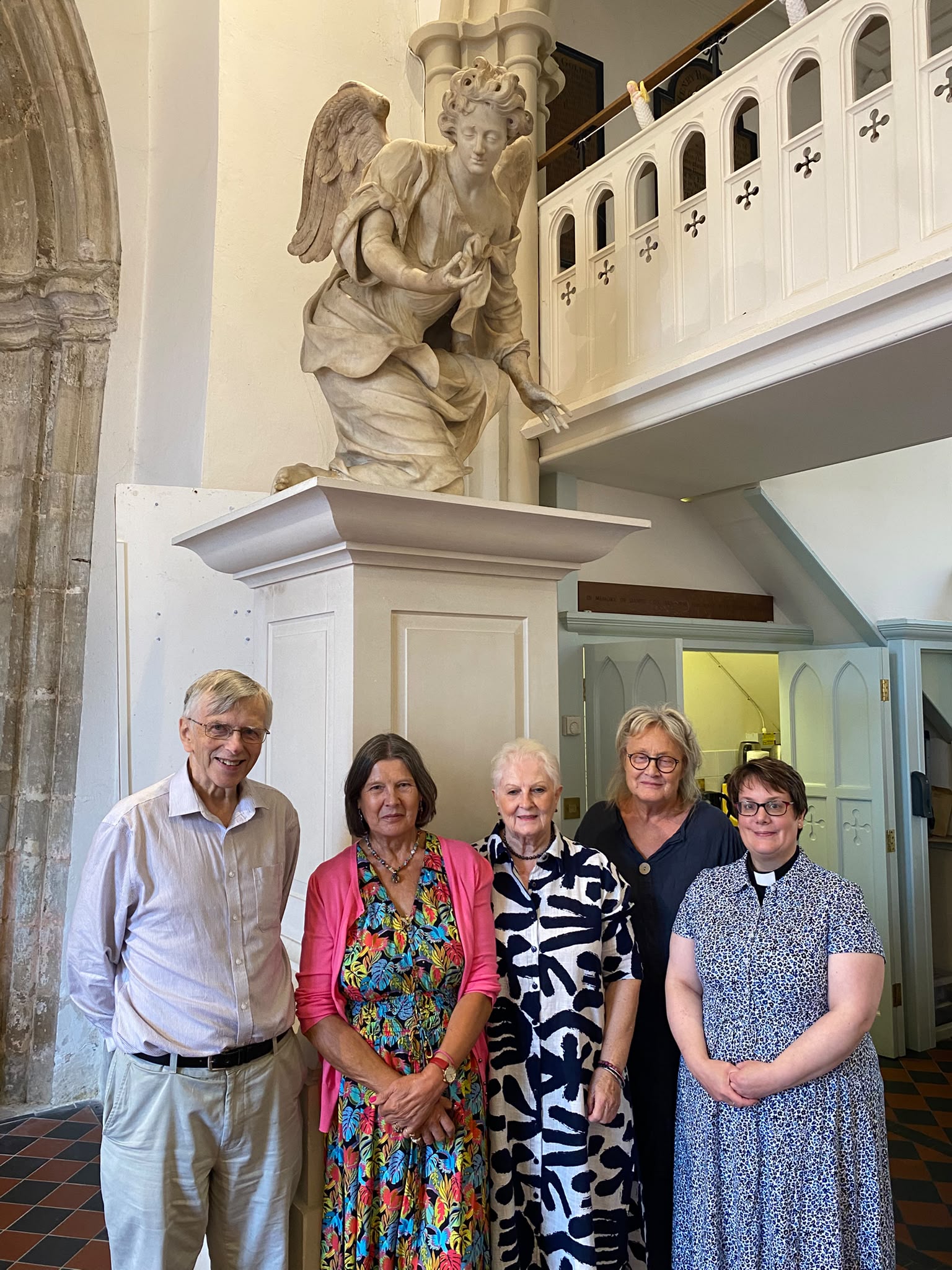
A group of angel statues with links to kings, queens, Sir Christopher Wren and Westminster Abbey are being celebrated by a Somerset church community, two centuries after they first arrived in Somerset.
The group of 17th centaury angel statues with links to kings, queens, Sir Christopher Wren and Westminster Abbey arrived in Somerset two centuries ago.
The Chew Valley Nature Photography Festival brought photographers, conservationists and local residents together to celebrate the biodiversity of the area and reflect on the call to care for God’s creation.
Manage Consent
To provide the best experiences, we use technologies like cookies to store and/or access device information. Consenting to these technologies will allow us to process data such as browsing behavior or unique IDs on this site. Not consenting or withdrawing consent, may adversely affect certain features and functions.
Functional
Always active
The technical storage or access is strictly necessary for the legitimate purpose of enabling the use of a specific service explicitly requested by the subscriber or user, or for the sole purpose of carrying out the transmission of a communication over an electronic communications network.
Preferences
The technical storage or access is necessary for the legitimate purpose of storing preferences that are not requested by the subscriber or user.
Statistics
The technical storage or access that is used exclusively for statistical purposes.The technical storage or access that is used exclusively for anonymous statistical purposes. Without a subpoena, voluntary compliance on the part of your Internet Service Provider, or additional records from a third party, information stored or retrieved for this purpose alone cannot usually be used to identify you.
Marketing
The technical storage or access is required to create user profiles to send advertising, or to track the user on a website or across several websites for similar marketing purposes.