St Stephen’s Church, Bath get environmental support from local students
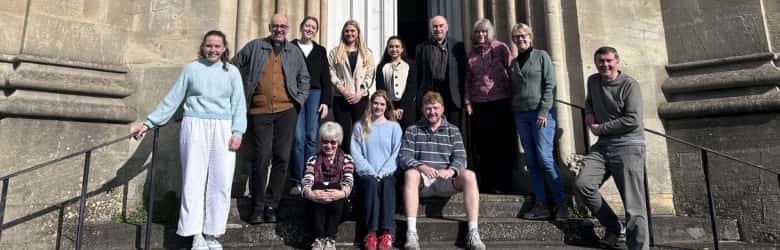
The Bath University team is using 3D laser scanning and community engagement to decarbonise and unlock new uses for St Stephen’s Church, in Lansdown, Bath. Students are working with the…
The Bath University team is using 3D laser scanning and community engagement to decarbonise and unlock new uses for St Stephen’s Church, in Lansdown, Bath. Students are working with the team at the church on an innovative sustainability collaboration to cut carbon emissions and explore sustainable options to support new and financially viable community uses for the building alongside worship.
Using laser scanning and 3D modelling, students are identifying priority repairs and practical ways to save energy, including improvements to heating, lighting and insulation, as well as the potential use of renewable technologies. Alongside technical work, the team is working with residents and community groups to understand how the church could accommodate a wider range of activities. Insights from this engagement will help shape an architectural brief and future design proposals.
The Grade II* listed church, listed as a particularly important building of more than special interest, is undergoing a multi-million-pound redevelopment project, The Beacon of Lansdown, to repair and refurbish it for a vibrant future as an energy and cost-efficient, eco-friendly building offering flexible worship and enhanced community facilities. Frome-based sustainability and community-focused architects, Studio Saar, have joined the team to help draw up early design concepts.
Revd Philip Hawthorn, Rector of St Stephen’s, said: “We are so excited to be working with a world-class university and a highly talented young team who are applying 21st-century technology for the benefit of our 19th-century church. Being in a UNESCO World Heritage city, we have a responsibility to care for our building in a way that respects its heritage and purpose while ensuring it has a sustainable future.”
The project addresses challenges shared by many historic buildings and churches in Bath, including rising energy costs, poor insulation and underused spaces. The student team aims to produce a blueprint that other churches and community spaces facing similar challenges can use.
“By re-thinking how the building is used alongside worship, we can connect more with the local neighbourhood while delivering highly valued community outreach in an environmentally and economically sustainable way. This exciting collaboration will help St Stephen’s become an example to many other churches in reaching the Church of England’s aim to achieve net zero carbon by 2030,” Reverend Hawthorn added.
Alexandra Holman, studying for a Master’s in Decarbonisation at the University of Bath and the project team lead, said: “Working to improve sustainability at St. Stephen’s has been equally challenging and rewarding, as our project has grown to encompass both environmental and social sustainability. “It’s been great applying our individual skills and things we’ve learned from our courses to a real-world scenario, and we all feel strongly that this project can create positive change in the local community, while furthering the decarbonisation of historic buildings in Bath.”
The University has put forward students to support St Stephen’s as part of its Vertically Integrated Projects (VIPs) programme, long-term, collaborative initiatives addressing challenges aligned with the UN’s Sustainable Development Goals. The project brings together students from across the University, including natural sciences, decarbonisation, finance, architecture and civil engineering, building on earlier student-led work on carbon reduction in a local carers centre.
Brian Rutter, sustainability lecturer from the University’s Department of Mechanical Engineering and the project’s academic lead, said: “These students are highly motivated and deeply collaborative, showing real leadership in sustainability and working closely with the church team and local community to ensure grounded, practical and genuinely valuable outcomes. At the University, we’re working both to embed sustainability principles in all our education programmes, and to contribute to the well-being of our local community through our research and teaching. This project supports both goals.”
Work with St Stephen’s Church will run for several years, with the first year focussed on evidence gathering and the feasibility of plans. Future years will concentrate on supporting St Stephen’s architects as they develop detailed designs, with longer-term ambitions to move towards implementation of the proposals. Initial estimates suggest the renovation work could cost up to £4 million.
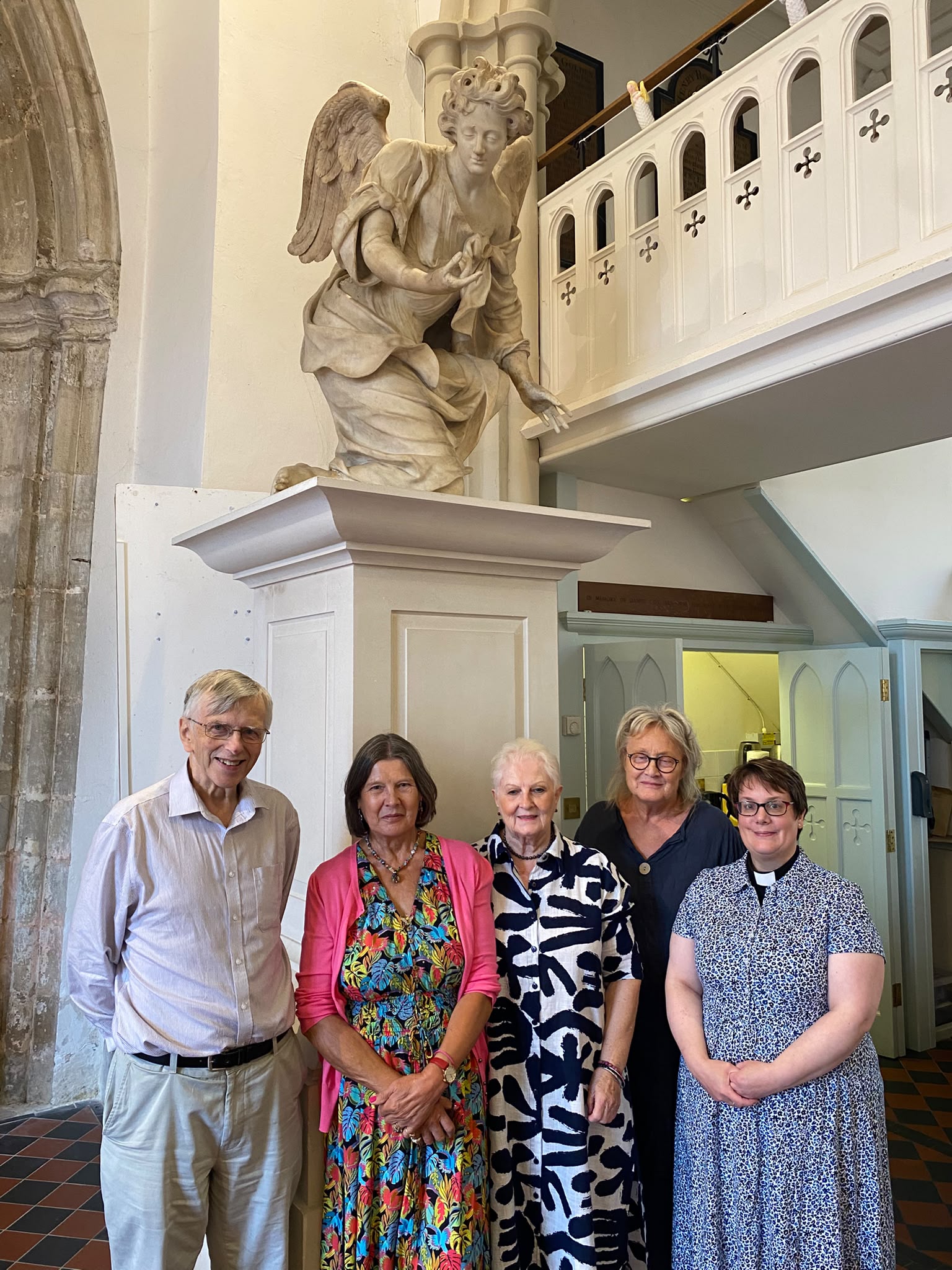
A group of angel statues with links to kings, queens, Sir Christopher Wren and Westminster Abbey are being celebrated by a Somerset church community, two centuries after they first arrived in Somerset.
The group of 17th centaury angel statues with links to kings, queens, Sir Christopher Wren and Westminster Abbey arrived in Somerset two centuries ago.
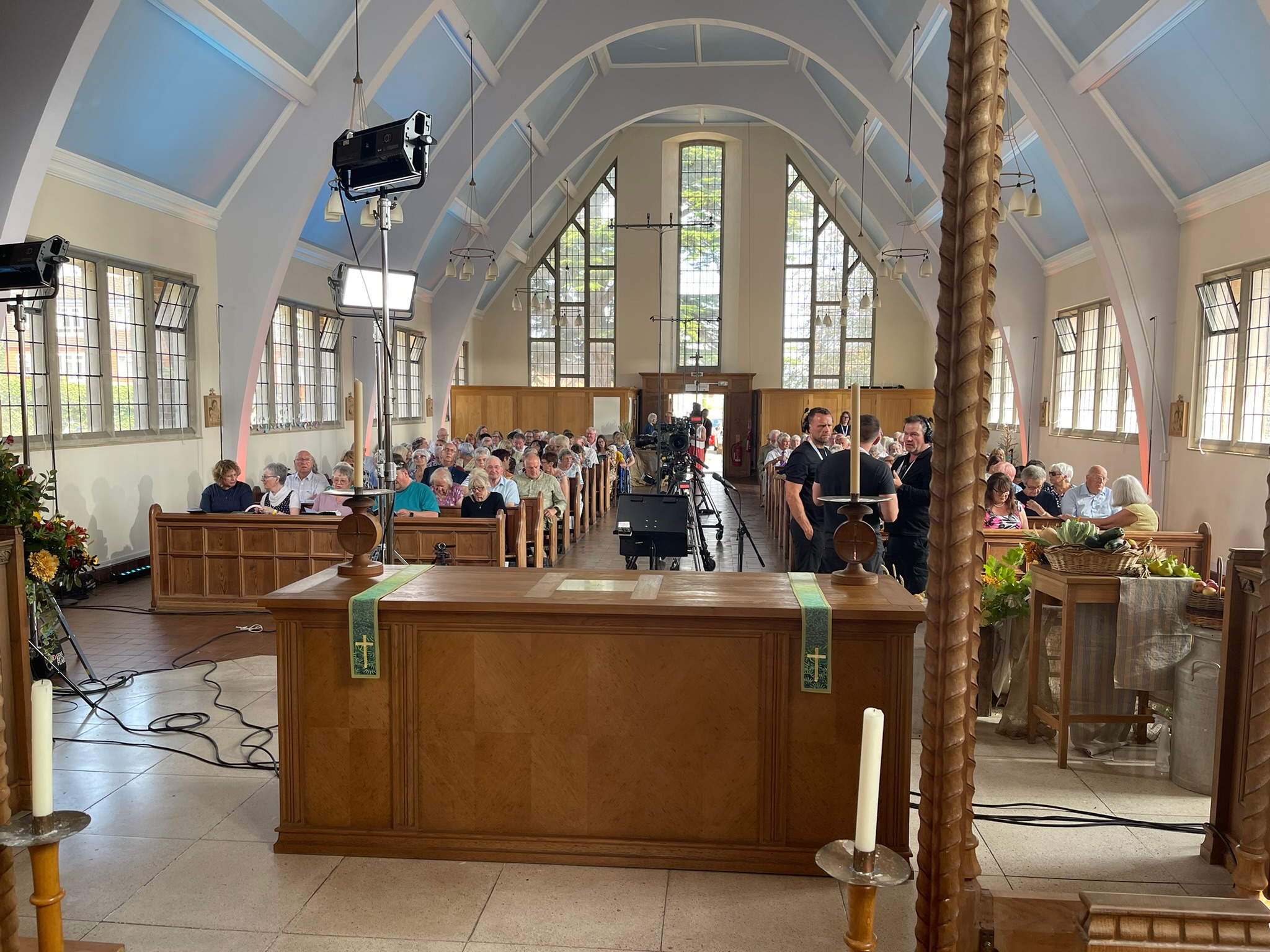
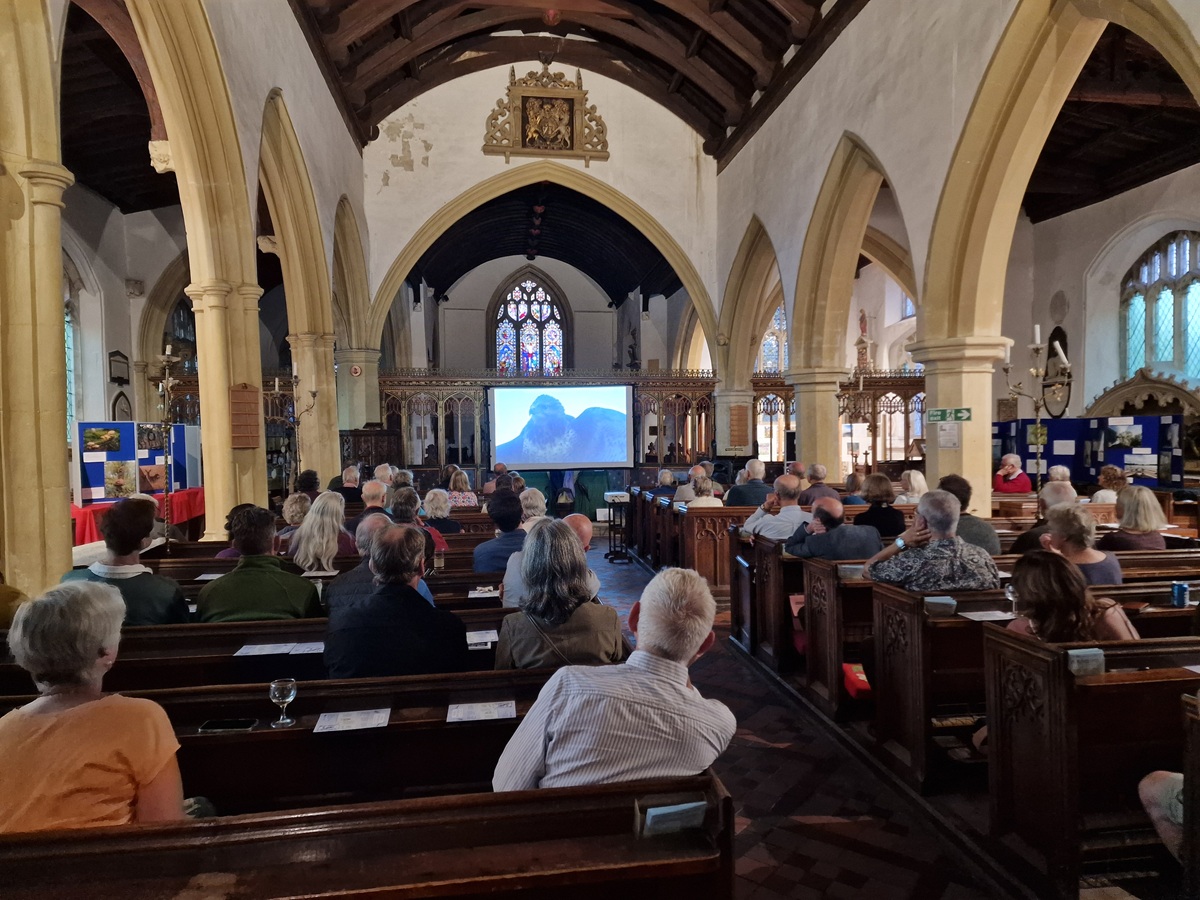
The Chew Valley Nature Photography Festival brought photographers, conservationists and local residents together to celebrate the biodiversity of the area and reflect on the call to care for God’s creation.
Across the country and throughout our diocese farmers are struggling to deal with the effects of the intense heat, lack of rainfall and the outbreak of the disease, bluetongue.
The arrival of the Bride at a recent wedding at Holy Cross, Mark caused a something of stir both locally and in the national and even international press.
Manage Consent
To provide the best experiences, we use technologies like cookies to store and/or access device information. Consenting to these technologies will allow us to process data such as browsing behavior or unique IDs on this site. Not consenting or withdrawing consent, may adversely affect certain features and functions.
Functional
Always active
The technical storage or access is strictly necessary for the legitimate purpose of enabling the use of a specific service explicitly requested by the subscriber or user, or for the sole purpose of carrying out the transmission of a communication over an electronic communications network.
Preferences
The technical storage or access is necessary for the legitimate purpose of storing preferences that are not requested by the subscriber or user.
Statistics
The technical storage or access that is used exclusively for statistical purposes.The technical storage or access that is used exclusively for anonymous statistical purposes. Without a subpoena, voluntary compliance on the part of your Internet Service Provider, or additional records from a third party, information stored or retrieved for this purpose alone cannot usually be used to identify you.
Marketing
The technical storage or access is required to create user profiles to send advertising, or to track the user on a website or across several websites for similar marketing purposes.